
For decades, aging has been viewed as an inevitable, one‑way decline—a slow march toward frailty and disease. But a revolutionary shift is underway. Groundbreaking research in cellular biology now suggests that aging is not a fixed trajectory; it is a malleable process we can influence. At the heart of this paradigm shift is cellular rejuvenation—a suite of scientific strategies aimed at reversing or slowing the fundamental cellular aging processes that drive our biological decline. Cellular rejuvenation targets the root causes of aging: senescent cells that refuse to die, epigenetic marks that accumulate errors, faltering mitochondrial energy production, and the gradual loss of our cells’ self‑cleaning abilities. While the fountain of youth remains a myth, the science of turning back the cellular clock is rapidly moving from laboratory benches to human trials. This article dives deep into the evidence‑based interventions—senolytics, epigenetic reprogramming, autophagy enhancement, and mitochondrial revitalization—that are redefining what it means to age healthily.
What Is Cellular Rejuvenation? The Hallmarks of Aging
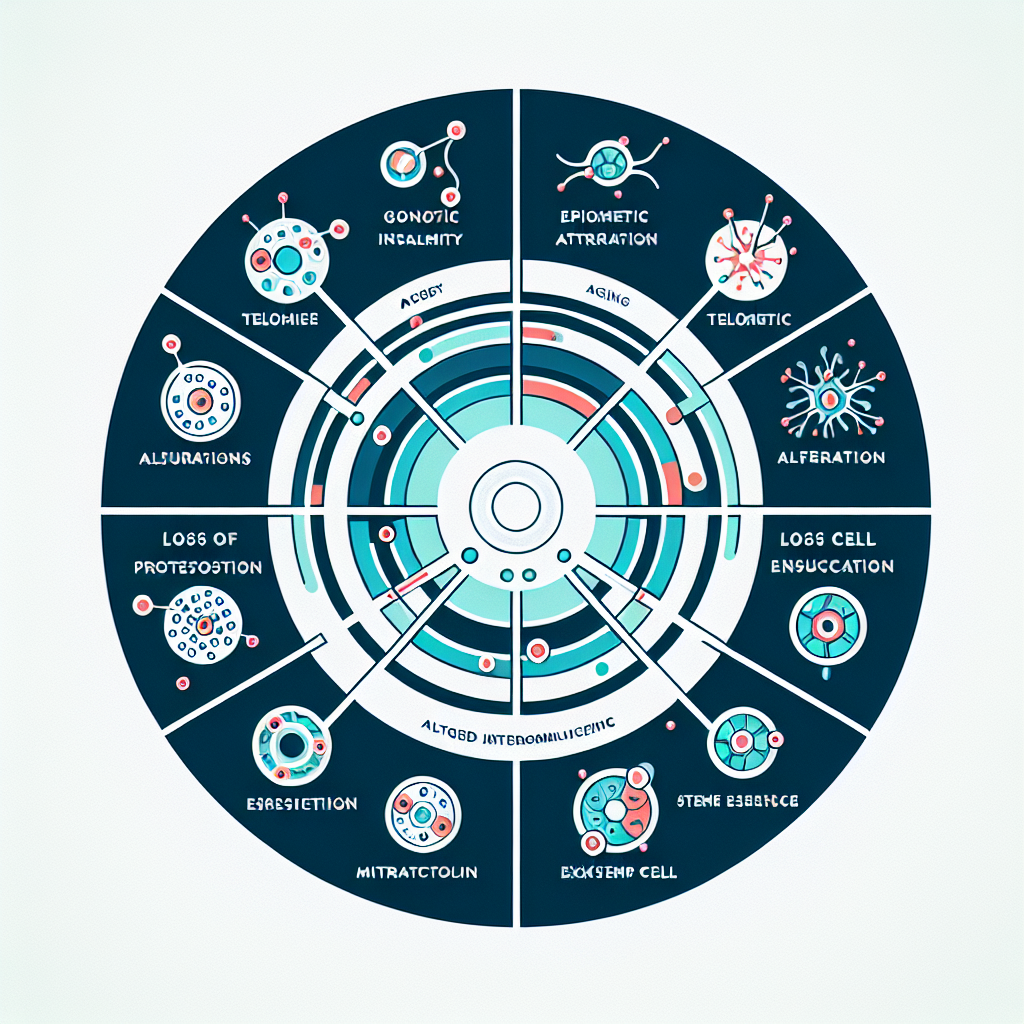
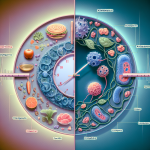
The twelve hallmarks of aging. Cellular rejuvenation targets each of these processes. To understand cellular rejuvenation, we must first understand what aging looks like at the cellular level. In their seminal 2013 paper and its 2023 update, López‑Otín and colleagues defined the hallmarks of aging—twelve interconnected biological processes that collectively drive the aging phenotype. These hallmarks include:
- Genomic instability – Accumulation of DNA damage over time
- Telomere attrition – Shortening of the protective caps on chromosomes
- Epigenetic alterations – Changes in gene expression without altering DNA sequence
- Loss of proteostasis – Breakdown in protein folding and degradation
- Deregulated nutrient‑sensing – Disruption of metabolic signaling pathways (e.g., mTOR, AMPK, insulin)
- Mitochondrial dysfunction – Decline in energy production and increased oxidative stress
- Cellular senescence – Cells that stop dividing but remain metabolically active, secreting harmful inflammatory factors
- Stem cell exhaustion – Depletion of regenerative cell pools
- Altered intercellular communication – Increased inflammation and disrupted signaling
- Disabled autophagy – Impaired cellular “self‑cleaning” process
- Chronic inflammation – Low‑grade, systemic inflammation (inflammaging)
- Dysbiosis – Imbalance in the microbiome
Cellular rejuvenation interventions aim to directly counteract these hallmarks, restoring youthful function and resilience. For a deeper dive into the measurable signs of aging, see our guide on biological markers of aging.
Cellular Senescence: When Cells Stop Dividing but Don’t Die
Senescent cells are often called “zombie cells.” They have exited the cell cycle and resist apoptosis (programmed cell death), but they remain metabolically active, secreting a toxic mix of inflammatory cytokines, chemokines, and matrix‑degrading enzymes known as the senescence‑associated secretory phenotype (SASP). The SASP promotes chronic inflammation, damages neighboring healthy cells, and drives tissue dysfunction. As we age, senescent cells accumulate in virtually every organ, contributing to conditions like osteoarthritis, atherosclerosis, and neurodegeneration. Learn more about cellular senescence explained.
Epigenetic Clock: Measuring Biological Age
Your chronological age is the number of years you’ve lived; your biological age reflects the cumulative wear and tear on your cells. Epigenetic clocks—such as the Horvath and Hannum clocks—measure biological age by analyzing DNA methylation patterns at specific sites across the genome. These clocks have become the gold standard for quantifying aging and assessing the impact of rejuvenation interventions. Remarkably, studies show that biological age can be decoupled from chronological age: some individuals are biologically younger than their birth certificate suggests, while others are older. For a detailed look at epigenetic markers, see epigenetic markers of aging explained.
The Science of Senolytics: Clearing Aged Cells
How Senolytics Work: The Apoptosis Pathway
Senescent cells upregulate pro‑survival pathways (e.g., BCL‑2, BCL‑XL, p21) that make them resistant to apoptosis. Senolytics like dasatinib inhibit these pathways, tipping the balance toward cell death. Quercetin complements dasatinib by targeting different pro‑survival networks, creating a synergistic effect. Other promising senolytics include fisetin (found in strawberries), navitoclax, and piperlongumine.
Current Senolytic Supplements: What the Evidence Says
While D+Q is not yet FDA‑approved for aging per se, it is being tested in numerous clinical trials for age‑related conditions. Over‑the‑counter supplements containing quercetin and fisetin are marketed as senolytics, but human evidence for their efficacy as standalone agents is still limited. A 2024 review in Nature Aging concluded that “although senolytic therapy holds tremendous promise, more rigorous human trials are needed to define optimal dosing, timing, and long‑term safety.” Nevertheless, early‑phase trials in older adults with idiopathic pulmonary fibrosis, Alzheimer’s disease, and osteoporosis have shown promising reductions in senescence biomarkers and improvements in functional outcomes.
Epigenetic Reprogramming: Resetting Your Cellular Age
Evidence shows epigenetic age can be reversed through lifestyle and interventions. If our DNA is the hardware of life, epigenetics is the software that tells cells which genes to turn on or off. Over time, epigenetic “noise” accumulates, leading to aberrant gene expression and cellular dysfunction. Epigenetic reprogramming seeks to reset this software to a more youthful state. The breakthrough came with Shinya Yamanaka’s discovery that just four transcription factors—Oct4, Sox2, Klf4, and c‑Myc (together called the Yamanaka factors)—can reprogram adult cells back to pluripotent stem cells. However, full reprogramming carries cancer risks. The newer approach, partial reprogramming, transiently expresses Yamanaka factors, reverting epigenetic age without causing dedifferentiation. In animal models, partial reprogramming has reversed age‑related changes in the brain, muscle, and skin, and even extended lifespan.
Can We Really Reverse the Epigenetic Clock?
Human trials are now underway. In 2024, the FDA cleared the first‑in‑human trial of an epigenetic reprogramming therapy for aging. Early data from smaller studies suggest that lifestyle and pharmacological interventions can already move the epigenetic clock. For example, a 2023 study in Aging Cell reported that a one‑year program of diet, exercise, stress management, and supplemental polyphenols reduced participants’ epigenetic age by an average of 3.2 years. However, there are limits to epigenetic age reversal that should be understood.
Lifestyle Factors That Influence Epigenetic Age
You don’t need gene therapy to influence your epigenome. Robust evidence shows that:
- Caloric restriction and intermittent fasting upregulate sirtuins, a family of epigenetic regulators linked to longevity.
- Regular exercise, especially high‑intensity interval training (HIIT), induces beneficial DNA methylation changes.
- Sleep quality affects epigenetic clocks; chronic sleep deprivation accelerates biological aging.
- Stress management (meditation, mindfulness) can lower glucocorticoid‑driven epigenetic alterations.
- Dietary components like sulforaphane (broccoli sprouts), curcumin, and green tea polyphenols have demonstrated epigenetic‑modifying effects.
Boosting Autophagy: The Cell’s Self‑Cleaning System
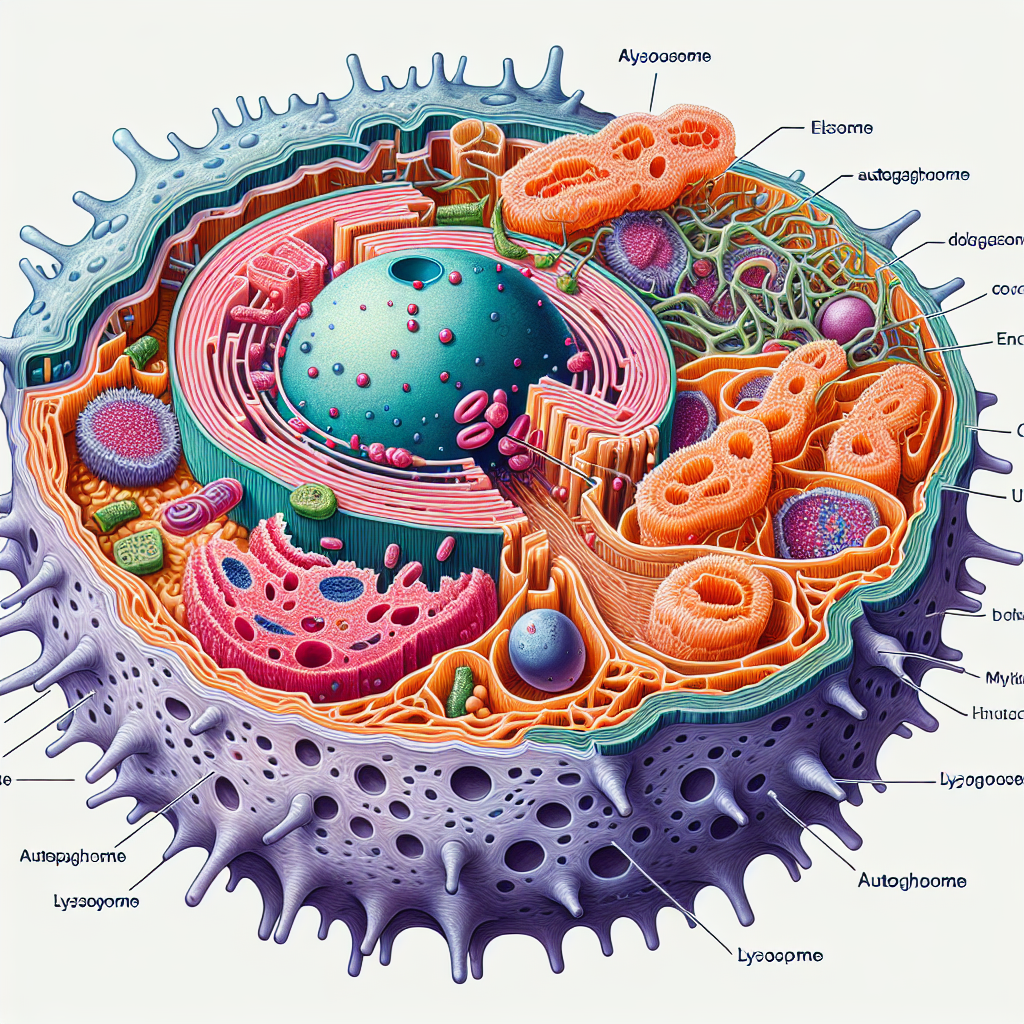
Autophagy is the cellular self-cleaning process that declines with age. Autophagy (from Greek “self‑eating”) is the cellular recycling process that clears out damaged organelles, misfolded proteins, and intracellular pathogens. It is essential for cellular homeostasis, and its decline is a hallmark of aging. Enhancing autophagy has been shown to extend lifespan in yeast, worms, flies, and mice. Discover more about cellular mechanisms that slow aging.
Intermittent Fasting and Autophagy
Nutrient deprivation is the most potent physiological trigger of autophagy. During fasting, falling insulin levels and rising glucagon activate the AMPK pathway, which inhibits mTOR—a key suppressor of autophagy. Time‑restricted eating (e.g., 16:8 protocol) and periodic longer fasts (24–48 hours) robustly stimulate autophagy in humans, as measured by increased levels of autophagy markers like LC3‑II. Learn more about time‑restricted eating for metabolic health.
Spermidine‑Rich Foods and Supplements
Spermidine, a natural polyamine, is a powerful autophagy inducer. A landmark 2024 study in Nature Cell Biology found that spermidine is essential for fasting‑mediated autophagy and longevity across species. Dietary sources of spermidine include aged cheese, mushrooms, soybeans, whole grains, and legumes. Supplemental spermidine (usually derived from wheat germ) has been shown in human trials to improve cardiovascular health markers and cognitive function, likely via autophagy enhancement. Other autophagy‑boosting compounds include resveratrol (activates SIRT1), metformin (activates AMPK), and rapamycin (inhibits mTOR), though the latter two are prescription drugs with potential side effects.
Mitochondrial Health: The Energy Powerhouses of Youth
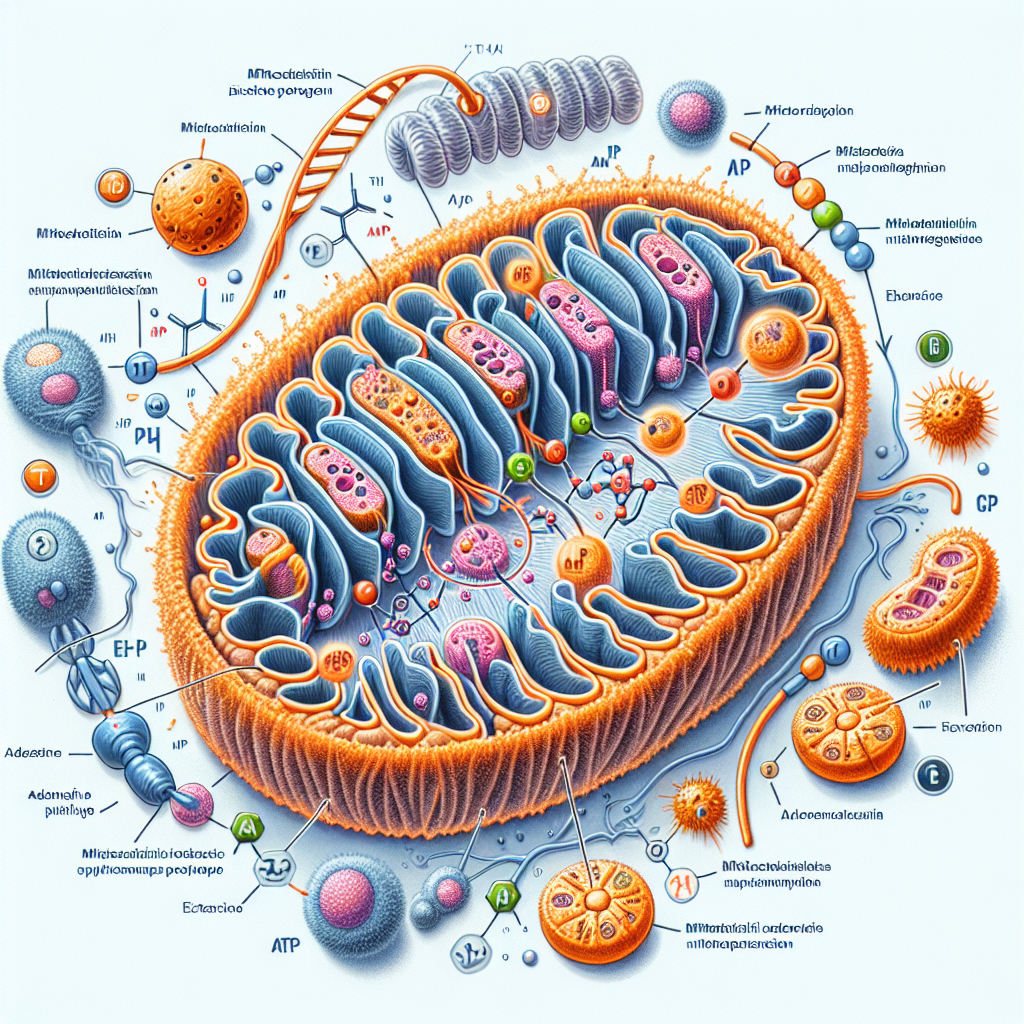
Mitochondrial health is important for cellular energy and aging. Mitochondria are the cellular power plants, producing ATP through oxidative phosphorylation. With age, mitochondria become less efficient, produce more reactive oxygen species (ROS), and undergo fewer cycles of mitochondrial biogenesis (the creation of new mitochondria). This dysfunction fuels a vicious cycle of energy depletion and oxidative damage.
Exercise and Mitochondrial Biogenesis
Physical activity is the most effective lifestyle intervention for mitochondrial health. Endurance exercise, in particular, activates PGC‑1α, the master regulator of mitochondrial biogenesis. A 2024 review in Journal of Physiology concluded that both aerobic and resistance training increase mitochondrial density, improve oxidative capacity, and reduce mitochondrial ROS production, with combined training offering the greatest benefit. Explore the connection between exercise intensity and longevity.
NAD+ Boosters (NMN, NR) and Sirtuin Activation
Nicotinamide adenine dinucleotide (NAD+) is a coenzyme essential for mitochondrial function and sirtuin activity. NAD+ levels decline precipitously with age. Boosting NAD+ through precursors like nicotinamide mononucleotide (NMN) and nicotinamide riboside (NR) has shown promise in preclinical studies. Human trials, however, present a mixed picture: while NR and NMN reliably raise blood NAD+ levels, functional benefits in healthy older adults have been modest. A 2024 head‑to‑head trial published in Nature Metabolism found that NR raised NAD+ more than NMN over two weeks, but neither significantly improved muscle strength or cognitive scores in the short term. Longer‑term studies are ongoing. Other strategies to support mitochondria include cold exposure (which increases mitochondrial uncoupling and biogenesis), ketogenic diets (which enhance mitochondrial efficiency), and antioxidants like alpha‑lipoic acid and coenzyme Q10. Learn about cold exposure and longevity.
Practical Steps for Cellular Rejuvenation
Theory is enlightening, but action is transformative. Here is a science‑backed, multi‑modal protocol you can start today to promote cellular rejuvenation.
A 7‑Day Cellular Rejuvenation Plan (Sample)
Day 1–7 (Daily)
- Morning: 16‑hour fast overnight (eat between 12 p.m. and 8 p.m.). Upon waking, drink a glass of water with a pinch of Himalayan salt.
- Exercise: 30 minutes of moderate‑intensity activity (brisk walking, cycling) plus 10 minutes of resistance exercises (bodyweight squats, push‑ups).
- Nutrition: Focus on whole foods: leafy greens, cruciferous vegetables, berries, nuts, seeds, fatty fish, fermented foods. Minimize processed sugars and refined carbs.
- Stress reduction: 10 minutes of mindfulness meditation or deep‑breathing exercises.
- Sleep: Aim for 7–9 hours of quality sleep; keep the room cool and dark.
Day 4: Incorporate a 24‑hour fast (dinner to dinner) to boost autophagy. Day 7: Assess how you feel—energy, mood, mental clarity—and adjust as needed. Note: This is a sample plan. Consult your healthcare provider before making significant changes to your diet or exercise routine.
Supplement Stack with Scientific Support
Always consult your physician before starting any new supplement regimen.
- Quercetin (500 mg/day) – Potential senolytic and anti‑inflammatory.
- Fisetin (100 mg/day) – Senolytic and antioxidant.
- Spermidine (1–3 mg/day) – Autophagy inducer.
- NMN or NR (250–500 mg/day) – NAD+ booster.
- Omega‑3s (1–2 g EPA+DHA) – Reduces inflammaging.
- Vitamin D3 + K2 – Supports epigenetic regulation and bone health.
- Magnesium – Cofactor for hundreds of enzymatic reactions, including those involved in DNA repair.
The Future of Cellular Rejuvenation Therapies
The frontier of cellular rejuvenation is expanding at a breathtaking pace. Here are the most promising emerging therapies.
Gene Editing (CRISPR) and Aging
CRISPR‑based gene editing holds the potential to directly correct age‑related genetic and epigenetic errors. In animal models, CRISPR has been used to delete senescent cells, restore telomerase activity, and edit epigenetic marks. Safety concerns—primarily off‑target effects—remain the main hurdle, but newer techniques like base editing and prime editing are improving precision.
Exosome Therapy: Hype or Hope?
Exosomes are extracellular vesicles that carry signaling molecules between cells. “Young” exosomes derived from stem cells have been shown to rejuvenate aged tissues in preclinical studies by delivering microRNAs, proteins, and growth factors that reset cellular function. Several companies are already offering exosome injections for “anti‑aging,” but robust human data are scarce. Regulatory oversight is still evolving. Other exciting avenues include stem cell transplantation, plasma fractionation (e.g., young plasma transfusion), and pharmacological chaperones that restore proteostasis. The first generation of true anti‑aging drugs—those that target multiple hallmarks simultaneously—could enter clinical trials within the next five years. Stay updated with the latest cellular rejuvenation and age‑reversal research.
Frequently Asked Questions (FAQ)
What are senolytics?
Senolytics are a class of molecules that selectively clear senescent cells («zombie cells») that accumulate with age and contribute to chronic inflammation and tissue dysfunction. The most studied senolytic combination is dasatinib plus quercetin (D+Q).
How can I measure my biological age?
Biological age can be measured using epigenetic clocks that analyze DNA methylation patterns. Commercial tests like the Horvath clock, Hannum clock, and PhenoAge are available. These tests compare your epigenetic markers to population averages to estimate biological age.
What foods boost autophagy?
Foods that boost autophagy include spermidine-rich foods (aged cheese, mushrooms, soybeans, whole grains), polyphenol-rich foods (green tea, berries), and foods that promote fasting (intermittent fasting, time-restricted eating). Fasting itself is the most potent autophagy trigger.
Is NMN or NR better for NAD+ boosting?
Both NMN (nicotinamide mononucleotide) and NR (nicotinamide riboside) are precursors to NAD+. Studies show NR may raise NAD+ levels more efficiently in some tissues, but both have similar safety profiles. The choice depends on individual response and availability.
Can epigenetic age be reversed?
Yes, epigenetic age reversal is possible. Studies show that lifestyle interventions (diet, exercise, stress management) and emerging therapies like partial reprogramming can reduce biological age as measured by epigenetic clocks. However, the extent of reversal is limited and varies by individual.
What are the risks of senolytic therapy?
Senolytic therapy risks include potential off-target effects, as senolytics may affect healthy cells, and long-term safety data in humans is still limited. Current clinical trials monitor for side effects like gastrointestinal issues, fatigue, and blood cell changes. Always consult a healthcare provider.
Conclusion: Taking Control of Your Cellular Aging
Cellular rejuvenation is not a single miracle pill but a holistic, proactive approach to health. By understanding the hallmarks of aging and applying evidence‑based interventions—clearing senescent cells, resetting epigenetic marks, enhancing autophagy, and revitalizing mitochondria—we can slow, and in some cases partially reverse, the cellular aging process. Start with the fundamentals: nutrient‑dense food, regular movement, quality sleep, and stress management. Consider adding targeted supplements once you’ve optimized lifestyle. Stay informed as the science progresses, but remain skeptical of overhyped “breakthroughs.” Aging is inevitable, but how we age is increasingly within our control. The clock is ticking—but now we have the tools to wind it back.