

Longevity Clinic: A Comprehensive Guide to Services, Costs, and Benefits

what is a longevity clinic? beyond traditional medicine
A longevity clinic is a specialized medical practice focused on extending healthspan—the period of life spent in good health—by delaying or reversing the biological processes of aging. Unlike traditional medicine, which typically intervenes only after symptoms or disease appear, longevity medicine takes a proactive, systems‑biology approach. It aims to identify and correct sub‑clinical imbalances long before they manifest as chronic illness.
At its core, longevity medicine is about optimization, not just treatment. It integrates advanced diagnostics (genomics, epigenomics, metabolomics), personalized therapeutics (hormone optimization, nutraceuticals, peptides), and continuous monitoring to create a dynamic health plan tailored to your unique biology. This holistic model recognizes that aging is not a single disease but a complex interplay of genetic, epigenetic, metabolic, and environmental factors.
Longevity medicine has evolved rapidly over the past decade, fueled by breakthroughs like the Hallmarks of Aging framework and epigenetic clocks. Today’s clinics range from boutique concierge practices to telehealth platforms, united by a commitment to evidence‑based interventions targeting the root causes of aging.
longevity clinic vs. traditional doctor: Key differences
To understand the value proposition of a longevity clinic, it’s helpful to contrast it with conventional primary care:
| Aspect | Traditional Medicine | Longevity Clinic |
|---|---|---|
| Goal | Diagnose and treat disease | Prevent disease and optimize healthspan |
| Approach | Reactive, symptom‑focused | Proactive, systems‑based |
| Testing | Basic blood panels (e.g., CBC, lipid profile) | 100+ biomarker panels, genetic/epigenetic testing, DEXA scans |
| Interventions | Prescription drugs for diagnosed conditions | Hormone optimization, personalized supplementation, lifestyle coaching, peptides |
| Follow‑up | Annual check‑ups, as‑needed visits | Continuous monitoring, regular plan adjustments |
| Metrics | Disease‑focused (e.g., HbA1c for diabetes) | Health‑span indicators (biological age, muscle mass, inflammation markers) |
While traditional care remains essential for acute and chronic disease management, longevity clinics fill a critical gap: they provide a structured, science‑backed pathway to maximize vitality and delay age‑related decline. For a deeper look at the science of aging, see our guide on the hallmarks of aging explained.
core services: What do longevity clinics actually offer?
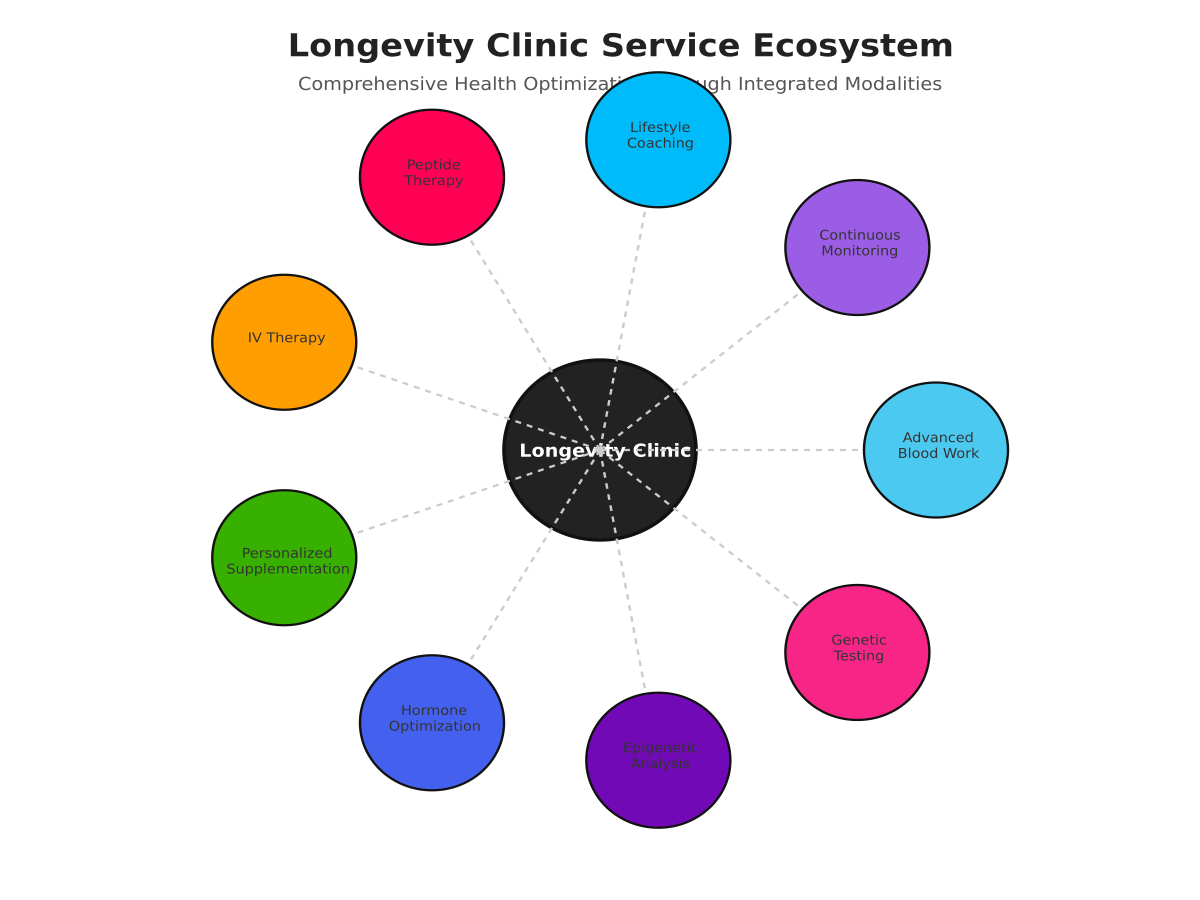
Longevity clinics differentiate themselves through a comprehensive suite of diagnostic and therapeutic services designed to assess and optimize every pillar of health. Here’s a detailed breakdown of what you can expect:
1. advanced blood work: Beyond the standard panel
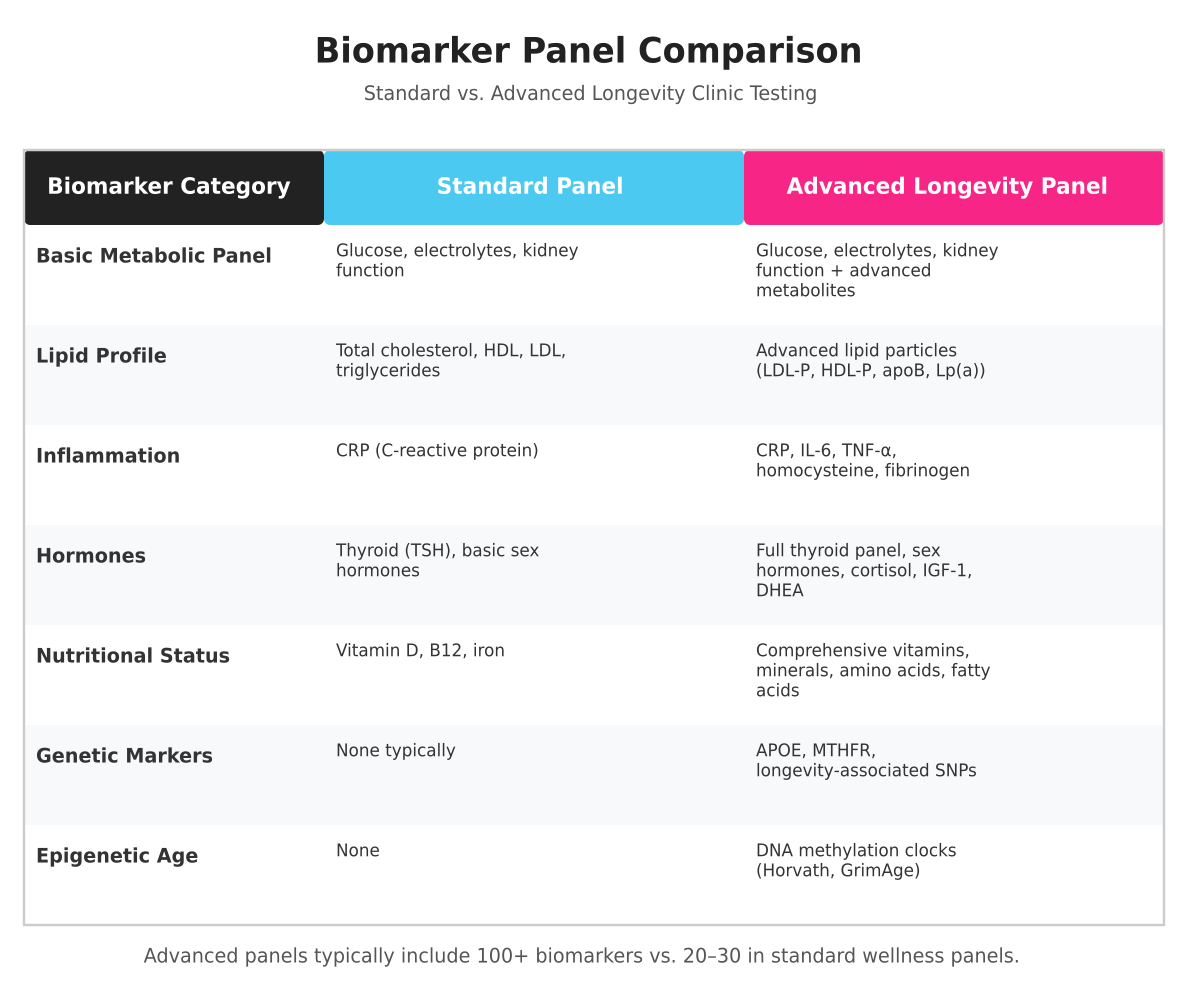
Longevity clinics run 100+ biomarker panels that provide a granular view of metabolic health, inflammation, nutrient status, and organ function. This depth of testing identifies subtle imbalances—like sub‑clinical inflammation or micronutrient deficiencies—that conventional screens miss. A 2024 study in The Journals of Gerontology found that comprehensive biomarker profiling predicted future disability and mortality risk better than chronological age alone.
2. genetic testing: Unlocking your DNA blueprint
Many clinics incorporate SNP (single‑nucleotide polymorphism) analysis to assess genetic predispositions for disease, drug metabolism (pharmacogenomics), and longevity‑associated variants (e.g., APOE, FOXO3, CETP). Some also offer whole‑exome or whole‑genome sequencing. The results inform personalized prevention strategies: someone with a high genetic risk for cardiovascular disease might receive more aggressive lipid management, while a slow metabolizer of certain medications could avoid adverse drug reactions.
3. epigenetic analysis: Measuring your biological age
Epigenetic clocks—most commonly the Horvath and GrimAge clocks—analyze DNA methylation patterns to estimate your biological age. This “age acceleration” score serves as a powerful baseline and tracking metric. Research shows that biological age can be decoupled from chronological age; some 50‑year‑olds have the epigenome of a 40‑year‑old, while others are biologically older. Longitudinal epigenetic testing (every 6–12 months) allows clinicians to quantify the impact of interventions. A 2023 trial in Aging Cell demonstrated that a one‑year lifestyle and supplementation program reduced epigenetic age by an average of 3.2 years in participants. For a deeper understanding, read our guide on epigenetic clocks and biological age.
4. hormone optimization: Restoring youthful balance
Age‑related decline in sex hormones (testosterone, estrogen), thyroid hormones, and adrenal hormones (cortisol, DHEA) contributes to fatigue, weight gain, low libido, and cognitive fog. Longevity clinics use bioidentical hormone replacement therapy (BHRT) to restore levels to an optimal (often youthful) range. This is not about supra‑physiological “doping” but about correcting deficiencies to improve quality of life. Studies, including a 2025 meta‑analysis in The Lancet Healthy Longevity, confirm that properly managed BHRT can improve body composition, mood, and cardiovascular risk markers in deficient individuals. Learn more about hormone optimization for vitality.
5. personalized supplementation: Evidence‑based nutraceuticals
Based on your test results, clinics prescribe targeted supplements—nutraceuticals with strong scientific backing for longevity. Common recommendations include NAD+ precursors (NMN, NR), senolytics (fisetin, quercetin), autophagy inducers (spermidine, resveratrol), omega‑3 fatty acids, and peptide therapies. Many clinics also offer IV nutrient therapy for rapid repletion. Explore the science behind NAD+ boosters and longevity.
6. lifestyle interventions: The foundation of healthspan
No pill can replace the fundamentals. Longevity clinics provide personalized guidance on nutrition (often using continuous glucose monitors), exercise (strength, cardio, mobility), sleep optimization (via wearables like Oura Ring), and stress management (meditation, breathing techniques). Some employ registered dietitians, exercise physiologists, and health coaches to support implementation. For tips on improving sleep quality, see our guide on sleep optimization for cellular repair.
diagnostic revolution: From basic blood tests to multi‑omics
The most advanced clinics are moving toward multi‑omics integration—combining genomics, transcriptomics, proteomics, and metabolomics to create a holistic “health map.” This systems‑biology approach, though still emerging, promises to uncover hidden connections between your genes, environment, and aging trajectory.
treatment modalities: Pharmaceuticals, nutraceuticals, and lifestyle
Longevity clinics leverage three primary intervention categories: FDA‑approved pharmaceuticals (e.g., metformin, rapamycin analogs) repurposed for longevity, evidence‑based nutraceuticals, and structured lifestyle modifications. The optimal blend is determined by your unique profile and goals.
the diagnostic process: Your first visit to a longevity clinic
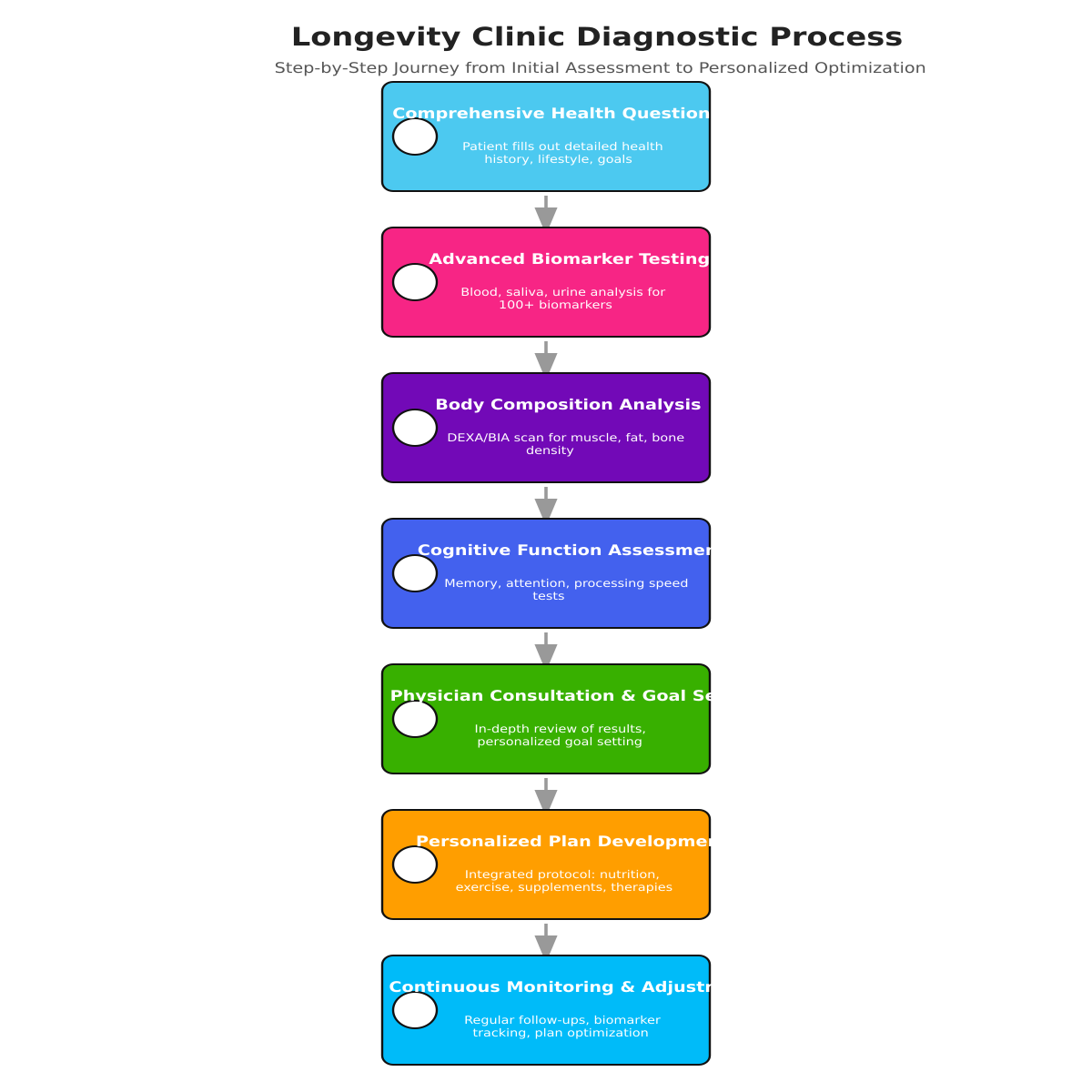
Walking into a longevity clinic for the first time can feel like stepping into the future of medicine. The process is designed to gather a comprehensive picture of your health—far beyond what a standard physical provides. Here’s a step‑by‑step walkthrough of what typically happens during your initial assessment.
what to expect during your initial assessment
A typical first visit includes:
- Comprehensive health questionnaire covering medical history, lifestyle, and goals
- Advanced biomarker testing (blood, saliva, urine) for 100+ markers
- Body composition analysis (DEXA or BIA scan)
- Cognitive function assessment via computerized tests
- Physician consultation to review results and set healthspan goals
from data to plan: How clinicians create your personalized protocol
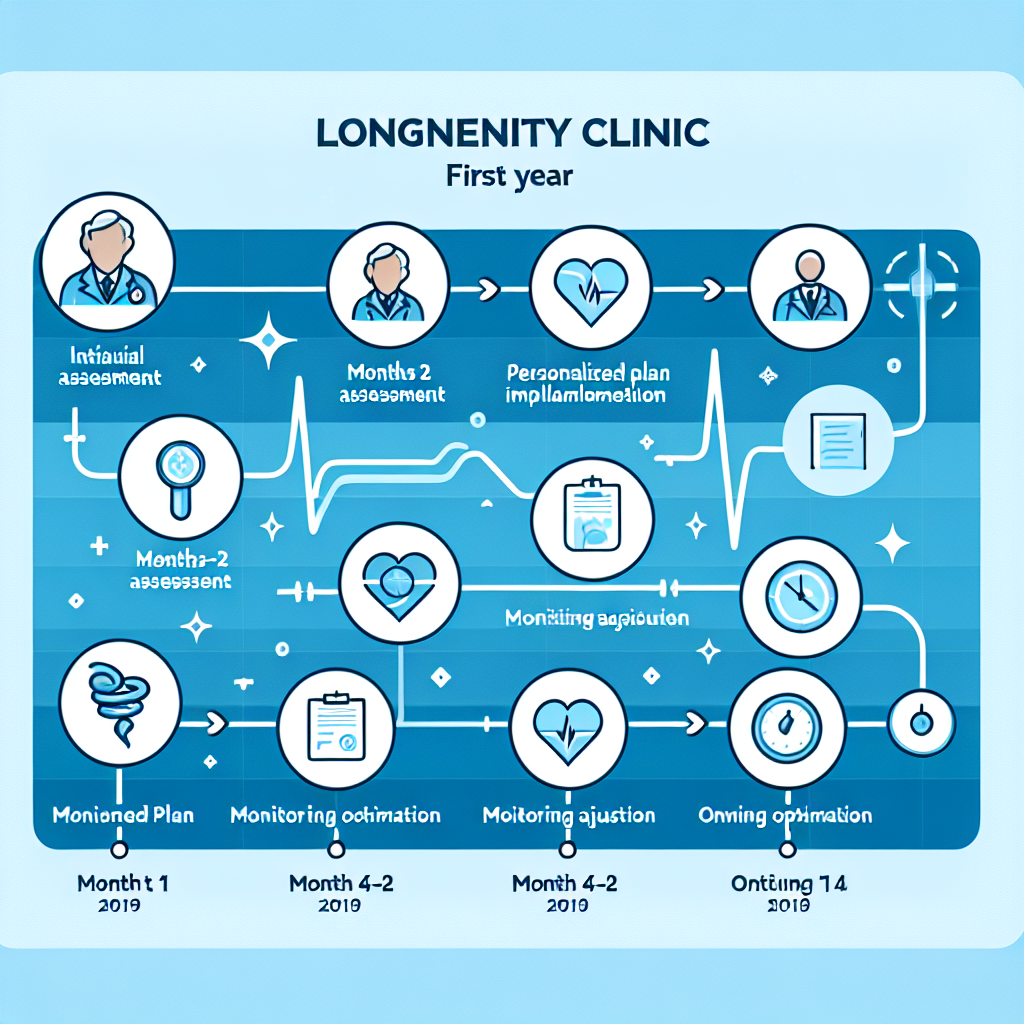
The clinician integrates your test results, history, and goals into a personalized longevity protocol that includes supplement recommendations, dietary adjustments, exercise prescription, sleep optimization, stress‑management techniques, and pharmacological interventions if needed. The protocol is a dynamic roadmap that evolves with regular follow‑up consultations every 3–6 months.
cost breakdown: How much does a longevity clinic cost?
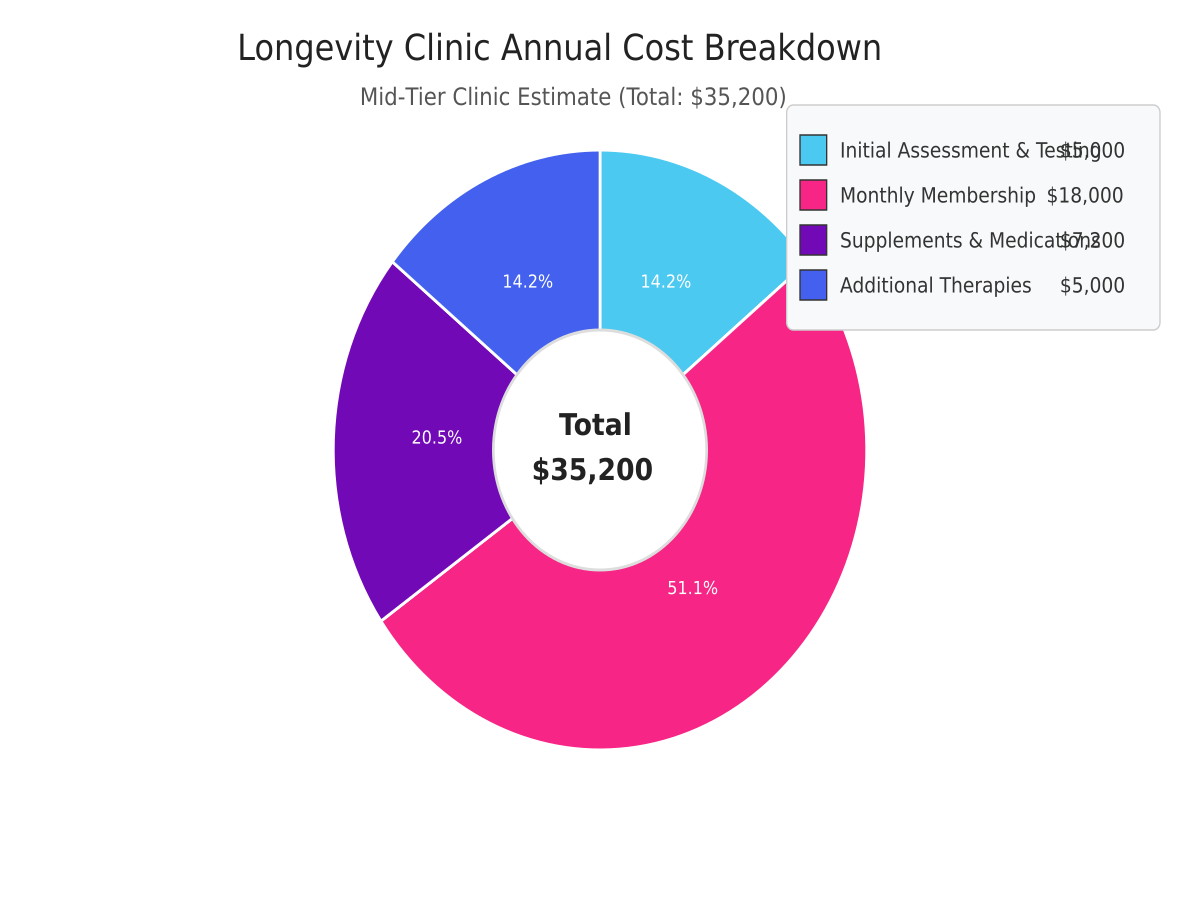
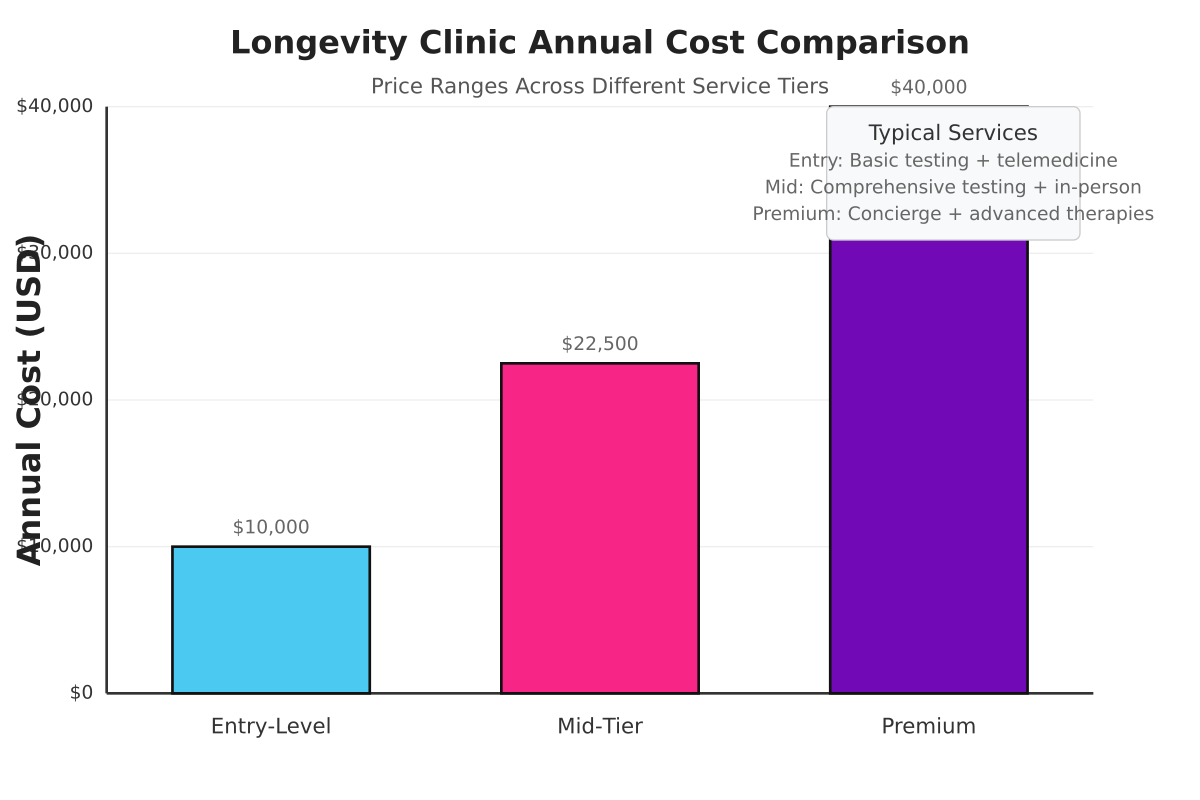
One of the most common questions about longevity clinics is “How much does it cost?” The answer varies dramatically depending on the clinic’s location, reputation, and the comprehensiveness of services. To provide transparency, we’ve broken down pricing across three typical tiers.
pricing tiers: Entry‑level, mid‑tier, and premium
| Tier | Annual Cost | Typical Services | Best For |
|---|---|---|---|
| Entry‑Level | $5,000 – $15,000 | Basic biomarker panel, telemedicine consults, generic supplement recommendations | Individuals new to longevity medicine, those with limited budget, people seeking a baseline assessment |
| Mid‑Tier | $15,000 – $30,000 | Comprehensive biomarker panel (100+ markers), genetic/epigenetic testing, in‑person visits, personalized supplementation, lifestyle coaching | Serious biohackers, executives wanting robust optimization, individuals with specific health concerns |
| Premium | $30,000 – $50,000+ | Executive‑level concierge care, multi‑omics profiling, unlimited physician access, advanced therapies (peptides, IV nutrients), dedicated health coach, biannual DEXA scans | High‑net‑worth individuals, those seeking the most cutting‑edge interventions, patients with complex health histories |
These ranges are estimates based on 2025–2026 market data; actual prices can vary by region and provider.
itemized cost breakdown
Where does your money actually go? Here’s a typical itemization for a mid‑tier clinic:
- Initial Assessment and Testing: $2,000 – $8,000
- Comprehensive blood work: $1,500 – $3,000
- Genetic testing: $500 – $2,000
- Epigenetic clock: $300 – $800
- DEXA scan: $200 – $400
- Initial physician consultation: $500 – $1,500
- Monthly/Annual Membership Fees: $300 – $2,000/month
- Covers ongoing physician access, health‑coaching sessions, routine follow‑up tests, and plan adjustments. Concierge clinics often charge higher monthly retainers.
- Supplements and Medications: $200 – $1,000/month
- High‑quality nutraceuticals (NMN, spermidine, etc.) can be expensive. Some clinics sell their own branded formulations; others prescribe third‑party brands.
- Additional Therapies: Variable
- IV nutrient therapy: $200 – $500 per session
- Peptide therapy: $300 – $800/month
- Hyperbaric oxygen therapy (HBOT): $100 – $250 per session
understanding the price tag: Where your money goes
The high cost of longevity clinics reflects several factors:
- Advanced testing: Epigenetic clocks, whole‑genome sequencing, and multi‑omics panels are still expensive to run and interpret.
- Physician expertise: Board‑certified doctors with additional training in longevity medicine command premium fees.
- Personalization: Creating a truly individualized protocol requires hours of data analysis and clinical judgment.
- Concierge model: Many clinics operate on a membership basis, limiting patient panels to ensure ample time per person.
financing options and insurance considerations
Insurance coverage for longevity clinic services is limited. Most insurers do not reimburse for “health optimization” or “anti‑aging” treatments. However, some components may be covered if deemed medically necessary—for example, hormone replacement therapy for diagnosed hypogonadism, or DEXA scans for osteoporosis screening. It’s essential to check with your insurer and the clinic’s billing department.
FSA/HSA funds can often be used for qualifying medical expenses, including certain diagnostic tests and prescription medications. Many clinics provide itemized receipts suitable for FSA/HSA submission.
Financing plans are offered by some clinics, allowing you to spread the cost over 12–24 months. Third‑party medical financing companies (e.g., CareCredit) may also be an option.
Ultimately, investing in a longevity clinic is an investment in your healthspan. While not affordable for everyone, those who can justify the expense often view it as a proactive measure to reduce future healthcare costs and improve quality of life.
how to choose a reputable longevity clinic
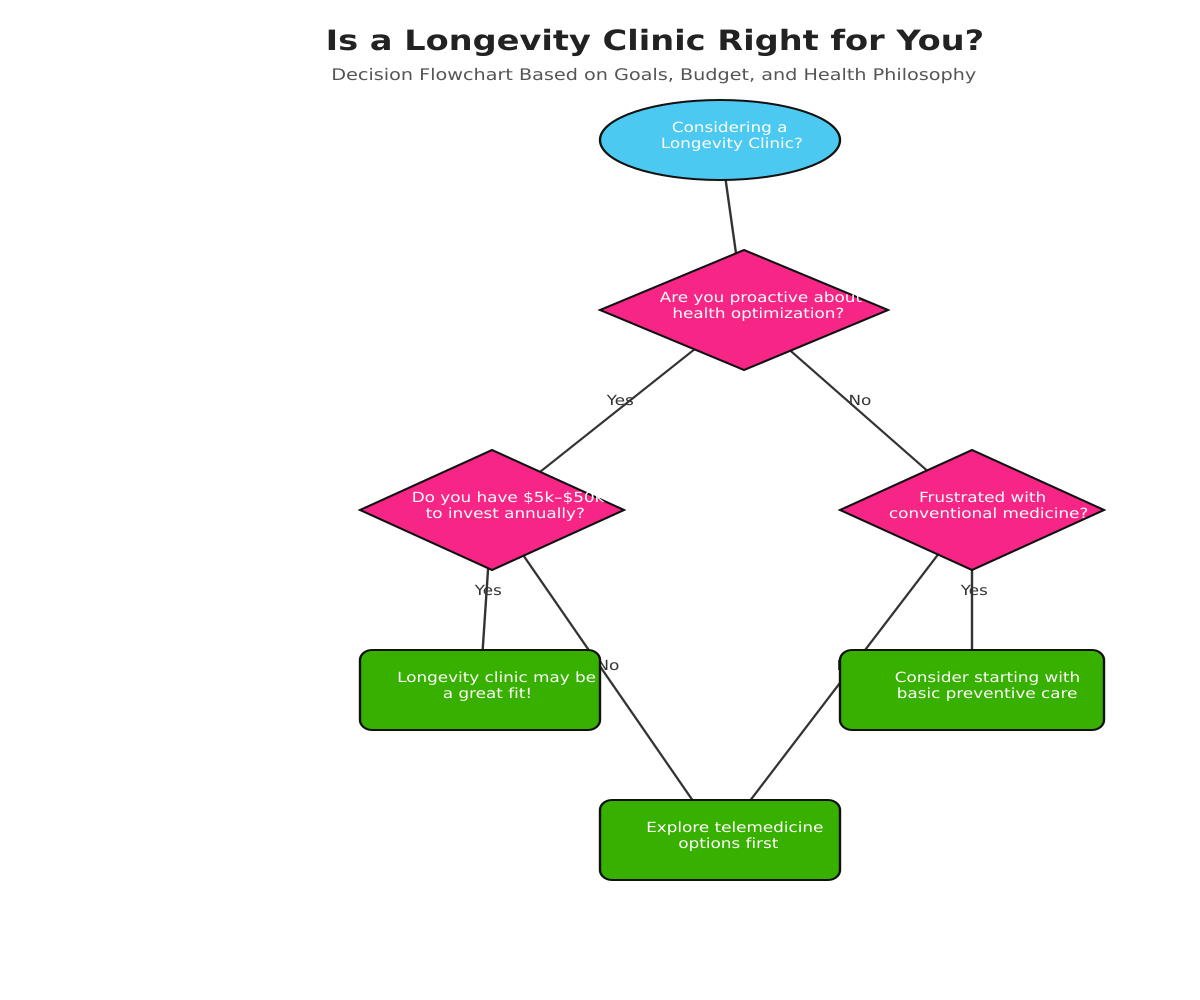
With the longevity industry expanding rapidly, quality varies widely. How can you distinguish a science‑driven clinic from a glorified supplement shop? Use this evaluation framework to vet potential providers.
key criteria for selecting a quality provider
- Credentials: Board‑certified physicians with longevity medicine training
- Evidence‑Based: Recommendations grounded in peer‑reviewed science
- Transparency: Clear pricing, no hidden fees, realistic expectations
- Personalization: Tailored protocols based on your unique data
- Monitoring: Regular follow‑up consultations and repeat testing
- Outcomes: Independent reviews and objective outcome data
5 essential questions to ask before choosing a longevity clinic
- What are the credentials of the physicians overseeing my care?
- Can you provide peer‑reviewed references for your interventions?
- What is the total cost, including all testing, consultations, and supplements?
- How often will we monitor biomarkers, and what tests are included?
- Can you share anonymized outcome data from your patient population?
warning signs: How to spot questionable providers
- Pressure to buy expensive supplements without clear justification based on your labs.
- Lack of physician oversight—treatments prescribed by non‑medical staff.
- “Secret” or proprietary formulas that aren’t backed by published research.
- Guarantees of dramatic results (e.g., “lose 30 pounds in 30 days”).
- No emphasis on lifestyle—if the clinic focuses solely on pills and injections, they may be missing the foundation of longevity.
- Poor communication—unresponsive staff, vague answers to medical questions.
Taking the time to thoroughly vet a clinic can save you thousands of dollars and protect your health. For a curated list of vetted providers, see our longevity clinic comparison guide.
real‑world benefits: What can you actually expect?

Longevity clinics promise to extend healthspan—but what does that look like in practice? Based on clinical studies, patient reports, and expert interviews, here are the most commonly documented benefits of a well‑run longevity program.
documented benefits backed by evidence
- Improved energy and vitality from optimized mitochondrial function and hormone balance
- Enhanced cognitive function (focus, memory, processing speed) via reduced inflammation and better cerebral blood flow
- Better body composition: 5–10% increase in lean mass, 10–20% decrease in body fat over 12 months
- Optimized hormone levels that revive libido, improve sexual health, and support bone/muscle health
- Reduced inflammation and biological age reversal: 1–3 years epigenetic age reduction possible
- Slowed age‑related decline in arterial stiffness, immune function, and other markers
case study: 12‑month transformation
A 52‑year‑old male with baseline biological age 58.2 years underwent a comprehensive longevity protocol (TRT, metformin, HIIT, Mediterranean diet, targeted supplements). After 12 months, his biological age dropped to 54.8 years (3.4‑year reduction), body fat decreased 18%, lean mass increased 8 lbs, and inflammation (hs‑CRP) fell 65%. Energy and cognitive scores improved significantly.

measuring success: Quantitative vs. qualitative benefits
Success in longevity medicine can be measured both quantitatively (biomarkers, biological age, body composition) and qualitatively (energy, mood, sleep quality, sense of well‑being). The most satisfied patients experience improvements in both dimensions. It’s important to set realistic expectations: longevity clinics are not a quick fix but a long‑term partnership aimed at adding healthy years to your life.
expert insights: Interviews with longevity clinic physicians
To provide a behind‑the‑scenes look at the field, we gathered insights from leading physicians and researchers shaping longevity medicine. Their perspectives help clarify what truly matters in longevity care and where the industry is headed.
physician perspectives: What matters most in longevity care
Dr. Peter Attia, founder of Attia Medical and author of Outlive, emphasizes personalized prevention:
“The goal isn’t just to live longer; it’s to live better for longer. That requires identifying your unique vulnerabilities—whether they’re cardiovascular, metabolic, or cognitive—and addressing them decades before they become problems. The most powerful tool we have is data: comprehensive testing that reveals those vulnerabilities early.”
Dr. Mark Hyman, head of the Cleveland Clinic Center for Functional Medicine, highlights systems biology:
“Aging isn’t one thing going wrong; it’s multiple systems interacting. We need to look at the whole person—genes, environment, lifestyle, mind—and use food, supplements, and lifestyle as medicine. The future of medicine is not in blocking a single pathway with a drug, but in restoring balance across all systems.”
Dr. David Sinclair, professor of genetics at Harvard Medical School and co‑founder of Life Biosciences, focuses on epigenetic interventions:
“The information loss that drives aging is epigenetic. We’re learning how to reset that epigenetic information, effectively turning back the clock at the cellular level. The challenge is doing it safely and predictably in humans. I believe we’ll see the first FDA‑approved epigenetic reprogramming therapies within this decade.”
Dr. Rhonda Patrick, researcher and founder of FoundMyFitness, stresses micronutrient optimization:
“Nutrient deficiencies accelerate aging. Many people are walking around with suboptimal levels of magnesium, omega‑3s, vitamin D, and other essential micronutrients that directly affect DNA repair, inflammation, and mitochondrial function. Correcting these deficiencies is low‑hanging fruit for healthspan.”
the future of longevity clinics: Expert predictions
Experts predict several trends for the coming years:
- Democratization: As testing costs fall, longevity medicine will become more accessible through telehealth and scaled‑down programs. Expect to see “longevity lite” offerings for $2,000–$5,000/year.
- AI Integration: Artificial intelligence will analyze multi‑omics data to predict disease risk and recommend hyper‑personalized interventions. Clinics will use AI‑powered dashboards to visualize aging trajectories.
- Pharmacological Advances: Next‑generation senolytics, epigenetic reprogramming drugs, and mitochondrial uncouplers will enter clinical practice, offering more potent tools for age‑reversal.
- Regulatory Clarity: The FDA may create new pathways for “healthspan extension” indications, encouraging more rigorous trials and standardizing care.
- Mainstream Adoption: Longevity clinics will move from niche to mainstream, potentially integrated into employer wellness programs and insurance plans.
The consensus: longevity medicine is still in its infancy, but it’s rapidly maturing into a cornerstone of preventive healthcare.
telemedicine options: Virtual longevity clinics
The COVID‑19 pandemic accelerated the adoption of telehealth across all medical specialties, and longevity medicine was no exception. Today, a growing number of clinics offer fully remote programs—bringing advanced diagnostics and personalized protocols to patients anywhere in the world. Here’s what you need to know about virtual longevity care.
the virtual longevity experience: What to expect
A typical virtual longevity program unfolds as follows:
- At‑Home Testing Kits: The clinic ships you comprehensive test kits (blood, saliva, urine) with detailed instructions. You collect the samples at home and mail them back to a certified lab. Some kits include finger‑prick blood tests (e.g., dried blood spots) that eliminate the need for a phlebotomist.
- Virtual Consultations: All physician and health‑coach meetings occur via secure video platform. These sessions are often longer and more detailed than typical telehealth visits, allowing for in‑depth discussion of your results and goals.
- Remote Monitoring: Wearables (Oura Ring, Whoop, continuous glucose monitors) sync data to the clinic’s dashboard, enabling real‑time tracking of sleep, activity, glucose, and heart‑rate variability.
- Supplement and Medication Delivery: Prescribed supplements and medications are shipped directly to your door.
- Digital Tools: Many clinics provide apps or portals where you can view your biomarker trends, access educational content, and message your care team.
comparing in‑person vs. telemedicine longevity care
| Aspect | In‑Person Clinic | Telemedicine Clinic |
|---|---|---|
| Convenience | Requires travel; may be limited to major cities | Accessible from anywhere with internet |
| Testing | On‑site phlebotomy, DEXA, advanced imaging | Relies on at‑home kits; DEXA may require local facility |
| Personal Interaction | Face‑to‑face with physician and staff | Video calls only; may lack personal touch |
| Cost | Generally higher (overhead of physical space) | Often 20–40% lower due to reduced overhead |
| Comprehensiveness | Can include advanced therapies (IV, peptides) in‑office | Limited to oral/transdermal treatments; some clinics partner with local providers for injections |
Pros of Telemedicine: Greater accessibility, lower cost, convenience, ability to choose from top clinics nationwide (or internationally).
Cons of Telemedicine: Lack of hands‑on physical exams, reliance on self‑collected samples (potential user error), inability to receive in‑office therapies.
Best For: Tech‑savvy individuals who live far from major cities, those with busy schedules, and patients comfortable with remote healthcare.
Several reputable virtual longevity clinics are emerging, including Forward, VitaDAO‑affiliated providers, and Function Health. As remote monitoring technology improves, the gap between in‑person and virtual care will continue to narrow.
frequently asked questions about longevity clinics
what is a longevity clinic?
A longevity clinic is a specialized medical practice focused on extending healthspan through proactive, data‑driven interventions. Unlike traditional medicine that treats disease, longevity clinics aim to optimize health by identifying and correcting sub‑clinical imbalances before they become problems.
how much does a longevity clinic cost?
Costs range from $5,000–$15,000 annually for entry‑level telemedicine programs to $30,000–$50,000+ for premium concierge care. The price includes advanced testing, physician consultations, personalized supplements, and ongoing monitoring.
what services do longevity clinics offer?
Core services include advanced blood work (100+ biomarkers), genetic testing, epigenetic age analysis, hormone optimization, personalized supplementation, and lifestyle coaching. Some clinics also offer IV nutrient therapy, peptide therapies, and advanced imaging.
how do i choose a reputable longevity clinic?
Look for board‑certified physicians with longevity medicine training, an evidence‑based approach, transparent pricing, personalized protocols, and regular monitoring. Ask for peer‑reviewed references and anonymized outcome data.
are longevity clinics covered by insurance?
Most insurance plans do not cover “health optimization” services. However, some components (e.g., hormone replacement for diagnosed deficiencies, DEXA scans for osteoporosis) may be covered if deemed medically necessary. FSA/HSA funds can often be used.
further reading
- Epigenetic Clocks: How to Measure Your Biological Age
- Cellular Rejuvenation Explained
- Peptide Therapy for Anti‑Aging
- The Longevity Diet: Science‑Based Eating for Healthspan
- Exercise Prescription for Longevity
conclusion: Is a longevity clinic right for you?
Deciding whether to invest in a longevity clinic comes down to three key considerations: your health goals, your budget, and your readiness to commit to a long‑term proactive health plan.
If your primary goal is to maximize healthspan—to not just live longer but to maintain vitality, cognitive sharpness, and physical function deep into later life—and you have the financial means (typically $5,000–$30,000+ annually), a longevity clinic could be a worthwhile investment. It’s especially valuable if you’re frustrated with the reactive nature of conventional medicine and want a data‑driven, personalized approach to prevention.
On the other hand, if your budget is limited or your health is already optimal, you might start with foundational lifestyle changes (nutrition, exercise, sleep, stress management) and consider less expensive testing options (e.g., direct‑to‑consumer biomarker panels). Remember, a longevity clinic is not a magic bullet; it’s a tool that amplifies the benefits of healthy living.
Ask yourself:
- Are you willing to undergo extensive testing and follow a personalized protocol?
- Can you afford the ongoing costs without financial strain?
- Do you have specific health concerns or family history that warrant proactive intervention?
If you answered “yes” to these questions, the next step is to research clinics, schedule consultations, and choose a provider that aligns with your values and goals. Whether you opt for an in‑person concierge practice or a virtual platform, the journey to extended healthspan begins with a single step: taking control of your aging trajectory.
Ready to explore further? Download our free checklist [10 Questions to Ask Before Choosing a Longevity Clinic] or browse our curated comparison of top providers.