
Sleep and Longevity: Why Your Nightly Rest Determines How Long—and How Well—You Live

You spend roughly a third of your life asleep. That nightly respite is arguably the most important factor for your lifespan and healthspan. Emerging science reveals that sleep is not a “shutdown” period but a non‑negotiable maintenance window—a time when your body repairs cellular damage, flushes brain toxins, rebalances hormones, and consolidates memories. In short, sleep quality and consistency directly influence how quickly you age and how well you function later in life.
This article dives deep into the bidirectional relationship between sleep and longevity. We’ll explore the architecture of sleep, the cellular repair processes that unfold during the night, the consequences of poor sleep on aging, and evidence‑based strategies to optimize your sleep for a longer, healthier life. Whether you’re a busy professional, a parent juggling responsibilities, or simply someone who wants to wake up feeling refreshed, the science we’ll uncover can help you turn sleep into your most powerful longevity tool.
Table of Contents
- The Science of Sleep: Stages, Cycles, and Circadian Rhythms
- How Sleep Drives Cellular Repair and Longevity
- The Consequences of Poor Sleep on Aging
- Circadian Rhythms: Aligning Your Internal Clock with Longevity
- Sleep Disorders and Longevity Risks
- Evidence‑Based Strategies to Optimize Sleep for Longevity
- Sleep Tracking and Technology: Help or Hype?
- Conclusion: Make Sleep Your #1 Longevity Investment
- Frequently Asked Questions
the science of sleep: Stages, cycles, and circadian rhythms
Sleep is orchestrated by two systems: sleep‑wake homeostasis (building sleep pressure) and the circadian rhythm (your internal 24‑hour clock). Together they regulate when you feel alert or drowsy.
sleep architecture: Nrem and rem
Each night consists of multiple 90‑minute cycles with two broad phases:
- Non‑Rapid Eye Movement (NREM) sleep — progresses from light to deep sleep.
- Rapid Eye Movement (REM) sleep — associated with dreaming, memory consolidation, and emotional processing.
Deep NREM sleep dominates the first half of the night, while REM periods lengthen toward morning. Both are essential for physical and mental restoration.

| Sleep Cycle (approx.) | Stage | Key Repair Processes |
|---|---|---|
| First half of night | Deep NREM (N3) | Growth hormone release, tissue repair, autophagy, glymphatic system activation |
| Second half of night | REM | Memory consolidation, emotional processing, brain detox (glymphatic clearance) |
| Throughout night | Light NREM (N1/N2) | Transition between stages, maintenance of sleep continuity |
deep sleep (n3): The body’s repair shift
Deep sleep (slow‑wave sleep) is when the body focuses on physical repair. Growth hormone secretion peaks, stimulating tissue repair and muscle growth. Cellular energy is replenished, and the immune system releases anti‑inflammatory cytokines. Importantly, deep sleep is the prime time for autophagy—the cellular “clean‑up” that removes damaged proteins and organelles, a key anti‑aging mechanism.
rem sleep: Brain detox and emotional processing
During REM sleep, your brain is highly active (dreaming) while your body is temporarily paralyzed. This stage consolidates memories, processes emotions, and supports the glymphatic system—a waste‑clearance network that flushes toxins like amyloid‑beta (linked to Alzheimer’s) from the brain.

the circadian clock: Your internal timekeeper
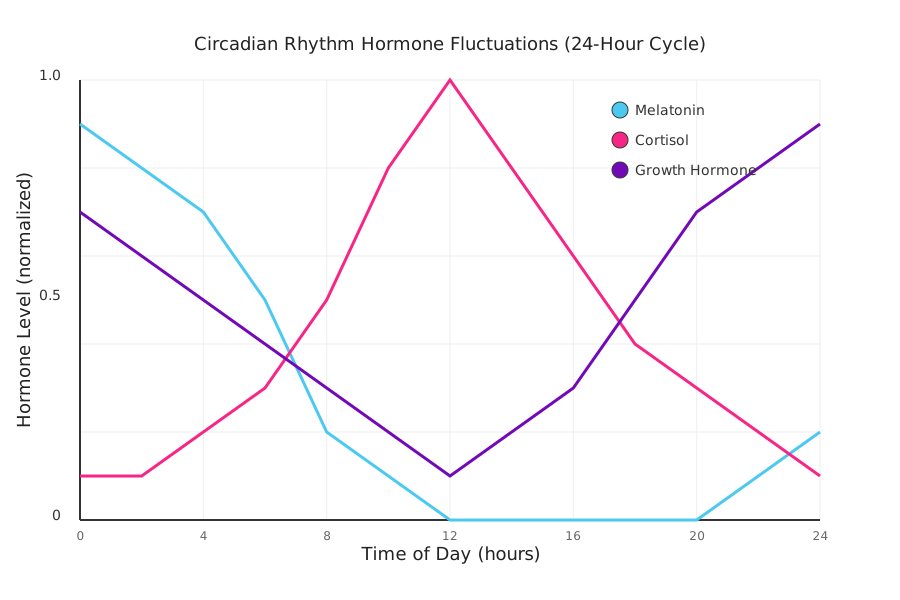
Your circadian rhythm, governed by the suprachiasmatic nucleus (SCN), synchronizes with light, temperature, and meal timing. When your sleep schedule aligns with this rhythm, nightly repair is efficient. Misalignment—from shift work, late‑night screens, or irregular bedtimes—disrupts hormone release (e.g., melatonin), impairs cellular repair, and accelerates aging.
how sleep drives cellular repair and longevity
Each night, while you’re asleep, your body performs essential maintenance that directly counters aging.
the glymphatic system: Your brain’s nightly power wash
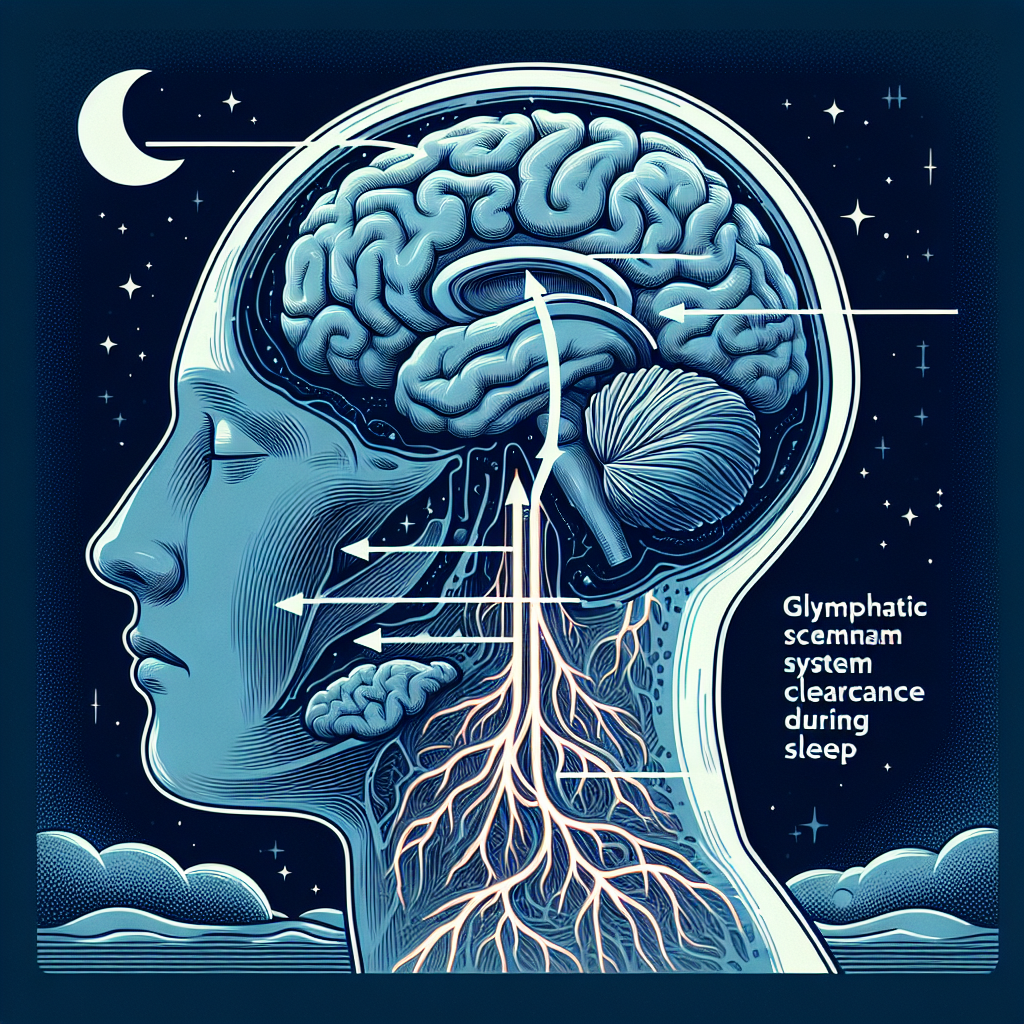
Discovered in 2012, the glymphatic system becomes ten times more active during deep sleep, flushing toxic metabolites like amyloid‑beta (linked to Alzheimer’s) from the brain. Even one night of poor sleep can increase amyloid‑beta levels, while chronic sleep deprivation raises long‑term neurodegeneration risk.
sleep and telomere length: The sleep‑aging connection
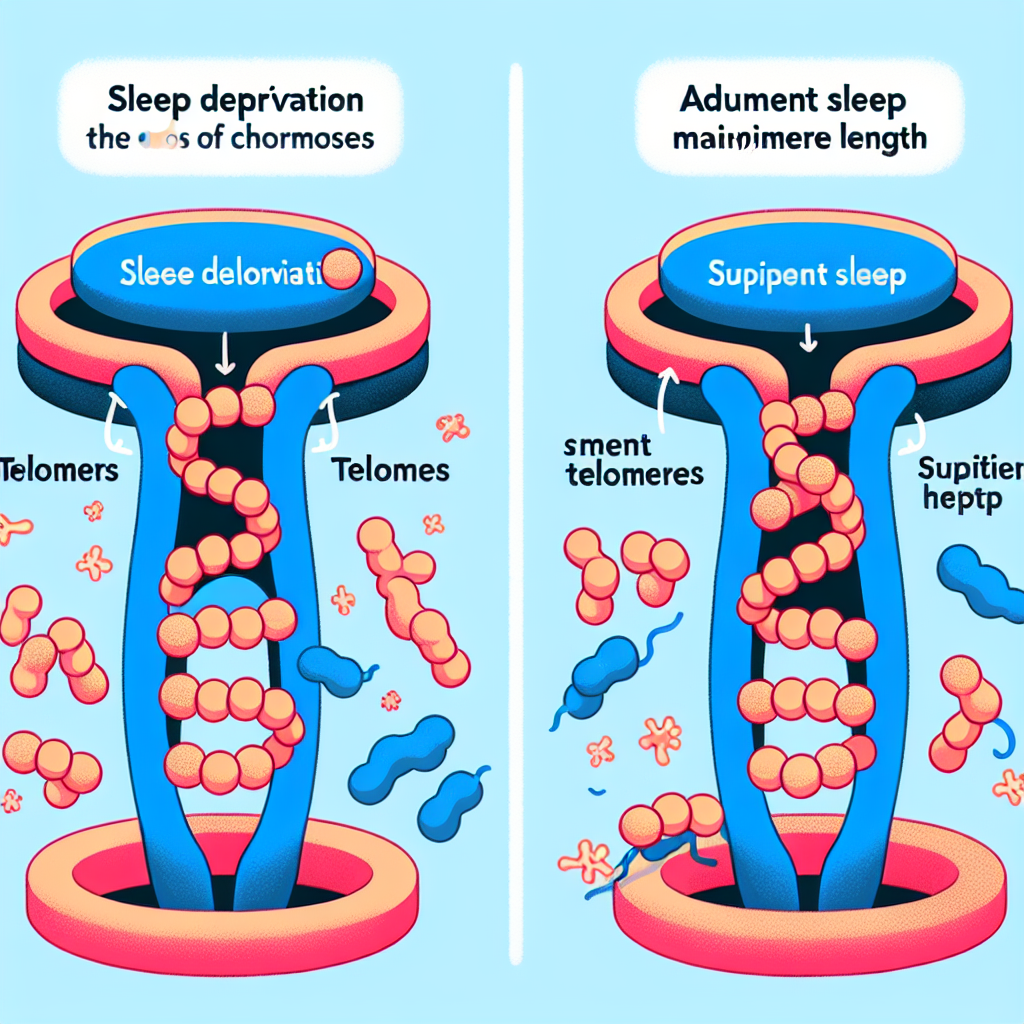
Telomeres—protective caps at chromosome ends—shorten with each cell division; shorter telomeres mark biological aging. A 2024 meta‑analysis found that sleeping less than 7 hours per night shortens leukocyte telomere length. Regular, high‑quality sleep slows telomere attrition, effectively braking cellular aging.
autophagy: The cellular recycling program
Autophagy (“self‑eating”) recycles damaged cellular components. Deep sleep stimulates autophagy, clearing misfolded proteins and dysfunctional mitochondria. Disrupted sleep suppresses autophagy, leading to toxic aggregates that drive Parkinson’s, diabetes, and cardiovascular disease.
hormone regulation: Growth hormone and melatonin
Deep sleep triggers a growth‑hormone pulse for tissue repair and fat metabolism. Simultaneously, melatonin (a potent antioxidant) is released, protecting cells from oxidative stress. Optimizing sleep keeps these hormonal rhythms synchronized, supporting longevity.
the consequences of poor sleep on aging
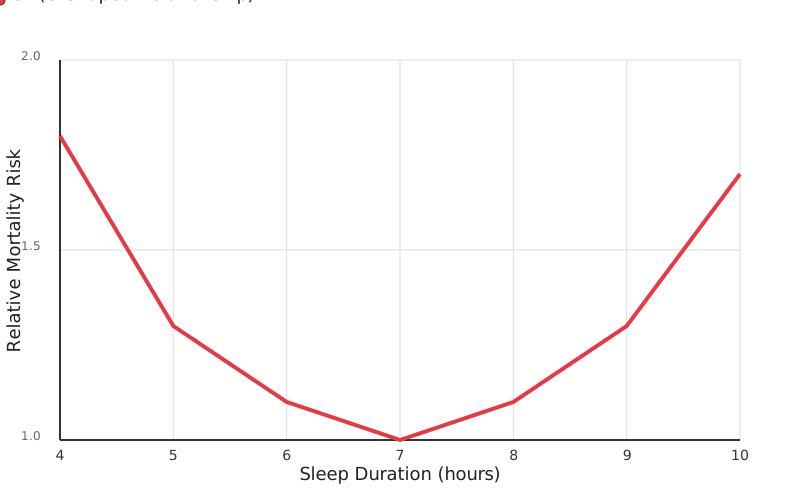
Short sleep (<7 hours) and long sleep (>9 hours) are linked to higher mortality. A 2024 meta‑analysis found <7 hours increases mortality risk by 14–34%. Sleep regularity may be an even stronger predictor of mortality than sleep duration alone.
chronic sleep deprivation and accelerated biological age
Chronic sleep deprivation accelerates biological aging. Epigenetic clocks reveal an older epigenetic age. This manifests as:
- Increased inflammation: Elevated cytokines contribute to cardiovascular disease, diabetes, and frailty.
- Oxidative stress: Reduced antioxidant capacity.
- Insulin resistance: Raises diabetes risk.
- Immunosenescence: Weakens immune response.
sleep fragmentation and cognitive decline
Frequent awakenings impair restorative sleep, common in older adults and sleep apnea. This disrupts NREM/REM cycling, leading to memory deficits, slower processing speed, and higher neurodegenerative disease risk via impaired glymphatic clearance—ultimately accelerating aging processes.
circadian rhythms: Aligning your internal clock with longevity
Circadian misalignment—when lifestyle clashes with your internal clock—reduces repair efficiency and accelerates aging.
blue light at night
Evening blue light suppresses melatonin and shifts your clock later. Chronic exposure links to metabolic dysfunction, inflammation, and shorter telomeres. Use blue‑light‑blocking glasses, “night mode,” and dim lights before bed.

meal timing and sleep quality
Late‑night meals raise body temperature and disrupt sleep. Finish dinner at least 3 hours before bedtime. Aligning eating with daylight (time‑restricted eating) reinforces circadian rhythm, improving metabolic health and telomere length.
social jet lag
Shifting sleep schedules on weekends (“social jet lag”) is like flying across time zones weekly, linked to obesity, cardiovascular risk, and accelerated epigenetic aging. Keep wake‑up times within an hour of your weekday schedule.
temperature and sleep
A cooler bedroom (65 °F/18 °C) facilitates the natural drop in core temperature that initiates sleep. A warm bath 1–2 hours before bed helps by raising skin temperature, then promoting a steeper core‑temperature drop.

sleep disorders and longevity risks
Chronic sleep disorders shorten healthspan. Recognizing and treating them is important.
sleep apnea: More than just snoring
Obstructive sleep apnea (OSA) causes repeated breathing pauses, raising risk of hypertension, stroke, heart failure, and diabetes. CPAP therapy extends life. Loud snoring, gasping awakenings, or daytime sleepiness warrant a sleep study.
insomnia and its long‑term health toll
Chronic insomnia (~30% of adults) is linked to 45% higher cardiovascular disease risk and 55% higher depression risk. Elevated cortisol accelerates telomere shortening. CBT‑I is the gold‑standard treatment.
restless legs syndrome (rls) and periodic limb movement disorder (plmd)
RLS causes uncomfortable leg sensations; PLMD involves involuntary leg jerks. Both fragment sleep and are linked to iron deficiency and dopamine dysfunction. Treatment addresses these underlying deficiencies.
when to seek professional help
Consult a sleep specialist if you have loud snoring with breathing pauses, difficulty falling/staying asleep >3 nights/week for 3 months, unrefreshing sleep, or excessive daytime sleepiness.
Treating a sleep disorder adds healthy years to your life.
evidence‑based strategies to optimize sleep for longevity
Optimize sleep with consistent, science‑backed habits:
light management
- Morning: 15–30 minutes of natural sunlight within an hour of waking.
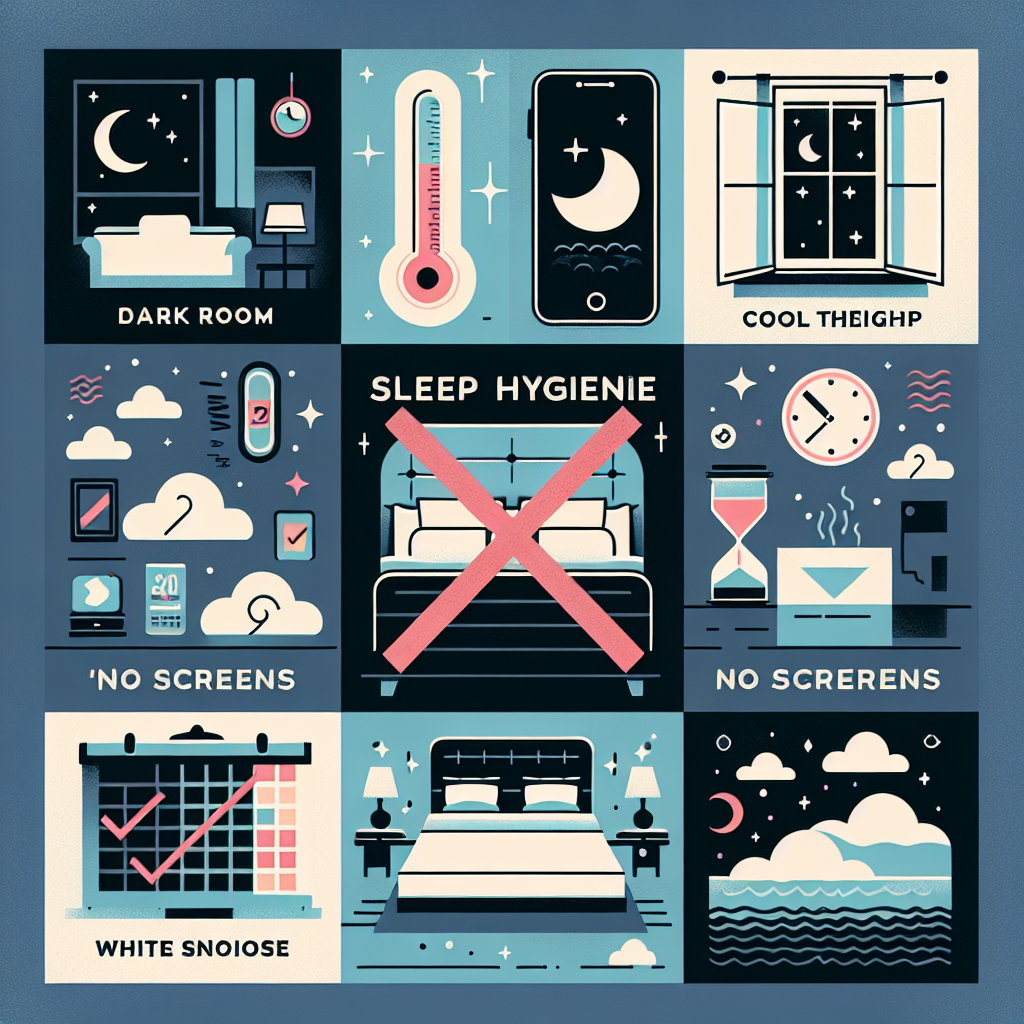
- Evening: Dim lights after sunset; avoid screens before bed. Use “night mode” and blue‑light‑blocking glasses.
temperature and bedroom environment
- Cool room: 60–67 °F (15–19 °C).
- Darkness: Blackout curtains or sleep mask.
- Quiet: White‑noise machines or earplugs.
wind‑down routine
A consistent pre‑sleep ritual signals rest mode. Try reading, gentle stretching, meditation, or journaling.
sleep‑supportive nutrition
- Magnesium: 200 mg supplement before bed.
- Glycine: 3 g before bed.
- Tart cherry juice: A natural source of melatonin.
- Avoid: Caffeine after 2 p.m., large meals within 3 hours of bedtime, alcohol.
exercise timing
Exercise early reinforces circadian rhythm and deepens sleep. Avoid intense exercise within 2–3 hours of bedtime.
consistency is king
Go to bed and wake up at the same time daily—even weekends—to strengthen circadian rhythm, improve sleep efficiency, and support longevity.
sleep tracking and technology: Help or hype?
Wearables promise sleep insights, but can they boost longevity or fuel anxiety?
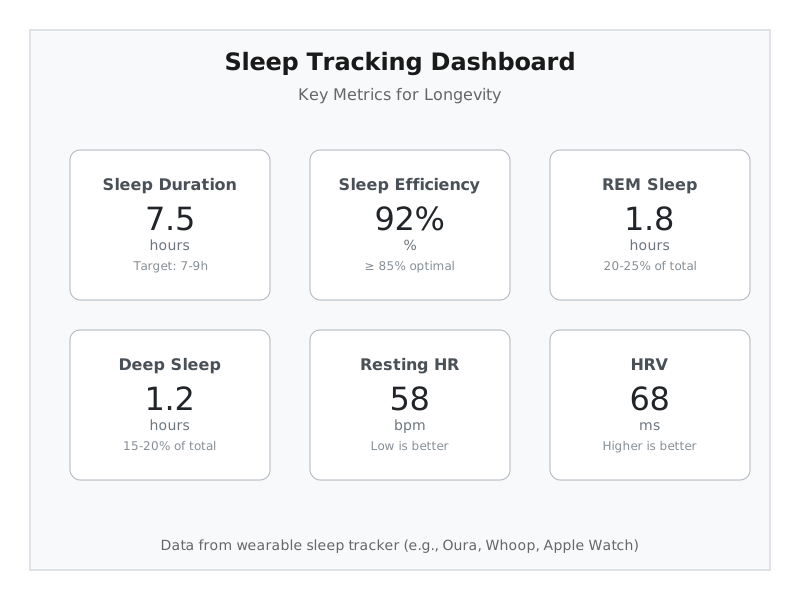
what sleep metrics actually matter for longevity?
Focus on evidence‑backed metrics:
- Sleep duration: Aim for 7–8 hours.
- Sleep regularity: Consistent bed/wake times predict mortality better than duration.
- Resting heart rate (RHR) and heart‑rate variability (HRV): Lower RHR and higher HRV reflect better recovery and longevity.
the pitfalls of sleep perfectionism
“Orthosomnia”—obsessing over perfect scores—can create a nocebo effect. Stage‑specific data accuracy is limited.
how to use sleep trackers wisely
- Look at trends, not daily numbers.
- Don’t chase “perfect” scores.
- Use data to spot patterns (e.g., alcohol lowers HRV, screens shorten deep sleep).
- Consider a “tech‑free” trial once habits are established.
Sleep technology is a tool, not a judge. The goal is better sleep, not a higher score.
conclusion: Make sleep your #1 longevity investment
Sleep is the foundation upon which every other longevity habit builds. You can eat the perfect diet, exercise religiously, and manage stress meticulously, but if you’re not getting enough high‑quality, regular sleep, you’re undermining those efforts. The science is clear: sleep is when your body repairs cellular damage, clears brain toxins, rebalances hormones, and resets your immune system. It’s the ultimate anti‑aging therapy—and it’s free.
Start tonight. Pick one or two strategies from this article—perhaps setting a consistent bedtime or dimming your evening lights—and commit to them for a week. Notice how you feel. Then add another. Over time, these small changes compound into a profound shift in your health and vitality.
Remember, longevity isn’t just about adding years to your life; it’s about adding life to your years. And that begins with a good night’s sleep.
internal linking suggestions
To deepen your understanding of how sleep intersects with other longevity pillars, explore these related articles on The Longevity Journal:
- Sleep Patterns and Longevity: A closer look at how different sleep schedules affect aging.
- Circadian Rhythm and Aging: The science of your internal clock and its impact on healthspan.
- Routine Stability and Aging: Why consistency in daily habits matters for longevity.
- Stress Recovery and Aging: How sleep helps you bounce back from stress.
- Biological Resilience and Aging: Building a body that resists age‑related decline.
- Inflammation and Aging: The role of chronic inflammation in aging—and how sleep reduces it.
- Cellular Senescence Explained: What are senescent cells, and how does sleep help clear them?
- Time‑Restricted Eating for Metabolism: How meal timing influences sleep and metabolic health.
frequently asked questions
How much sleep do I need for longevity?
Most adults need 7–8 hours of quality sleep per night. Less than 7 hours increases mortality risk; consistently over 9 hours may also be detrimental.
What is the best sleep position for longevity?
Sleeping on your back is best for spinal alignment, but comfort and uninterrupted sleep matter most. Side sleeping may help those with reflux or sleep apnea.
Does napping affect longevity?
Short naps (20–30 minutes) can improve alertness without disrupting nighttime sleep. Long or late naps may interfere with circadian rhythm. Keep naps early and brief.
Can I “catch up” on lost sleep?
Partial recovery is possible over a weekend, but chronic sleep deprivation causes cumulative damage that can’t be fully reversed. Consistency is more protective.
Does sleep quality matter more than quantity?
Both matter. Fragmented or shallow sleep prevents deep NREM and REM repair stages. Aim for sufficient duration and high‑quality, uninterrupted sleep.
call‑to‑action ideas
- Download our free “Sleep Optimization Checklist” to transform your nights and track your progress.
- Share your sleep‑improvement success stories in the comments below—we’d love to hear what works for you.
- Subscribe to our newsletter for weekly science‑backed tips on longevity, sleep, and performance.
- Read our review of blue‑light‑blocking glasses and sleep‑tracking wearables (affiliate links) to find the right tools for your journey.
schema markup (json-ld)
<script type="application/ld+json">
{
"@context": "https://schema.org",
"@type": "Article",
"headline": "Sleep and Longevity: Why Your Nightly Rest Determines How Long—and How Well—You Live",
"description": "Discover how sleep quality impacts longevity. Learn about cellular repair, telomere length, autophagy, and science-backed strategies to optimize sleep for a longer, healthier life.",
"image": "/images/sleep-longevity-hero.png",
"author": {
"@type": "Organization",
"name": "The Longevity Journal"
},
"publisher": {
"@type": "Organization",
"name": "The Longevity Journal",
"logo": {
"@type": "ImageObject",
"url": "/images/logo.png"
}
},
"datePublished": "2026-04-04",
"dateModified": "2026-04-04",
"mainEntityOfPage": {
"@type": "WebPage",
"@id": "https://www.example.com/sleep-and-longevity"
},
"keywords": "sleep, longevity, aging, telomeres, autophagy, glymphatic system, circadian rhythm, sleep quality, deep sleep, REM sleep, sleep disorders, sleep optimization, sleep tracking, brain health, cellular repair"
}
</script>