
The Longevity Diet: Eating for a Longer, Healthier Life
What if you could add years to your life—and life to your years—by changing what and when you eat? That’s the promise of the longevity diet, a science‑backed eating pattern that draws on lessons from the world’s longest‑lived populations, cutting‑edge research on caloric restriction, and the molecular mechanisms that slow aging. The longevity diet integrates decades of research from Blue Zones, caloric restriction, and time‑restricted eating.. Unlike fad diets that come and go, the longevity diet is a flexible, evidence‑based approach focused on healthspan—the number of years you live in good health—not just lifespan.
This article will walk you through the core principles of the longevity diet, from the plant‑forward plates of Blue Zones to the cellular benefits of time‑restricted eating, and provide a practical framework you can adapt to your own life. No dogma, no deprivation—just a clear, actionable guide to eating for a longer, healthier future.
what the longest‑lived people eat: Lessons from blue zones
For decades, researchers have studied “Blue Zones”—regions where people routinely live past 100 with remarkably low rates of chronic disease. These include Okinawa (Japan), Sardinia (Italy), Nicoya (Costa Rica), Icaria (Greece), and the Seventh‑day Adventist community in Loma Linda, California. While genetics and lifestyle factors like strong social ties (see our article on Community and Longevity), daily movement, and cultural attitudes toward aging (explored in Aging Perception How Different Cultures Shape Our Views) play a role, diet is a central pillar of their longevity. The Blue Zones diet, characterized by its plant‑based foundation, is a proven model for longevity.

This plant‑based longevity approach is supported by decades of research showing reduced chronic disease risk and extended healthspan. Across all Blue Zones, diets are overwhelmingly plant‑based, built around whole foods: vegetables, fruits, legumes, nuts, and whole grains. Meat is eaten sparingly, often as a celebratory food once a week or less. Fish is consumed in moderation, and dairy (mostly fermented, like yogurt and cheese) appears in small amounts. Healthy fats come from olives, nuts, and seeds, not processed oils.
The Okinawan sweet potato and the 80% rule
In Okinawa, the staple food isn’t rice—it’s the purple sweet potato, rich in fiber, vitamins, and anthocyanins. Okinawans also practice hara hachi bu, the Confucian teaching to eat until you’re 80% full. This gentle caloric restriction, combined with a nutrient‑dense, low‑protein diet, is linked to lower rates of heart disease and cancer.
Sardinia’s pecorino and goat milk: The role of fermented foods
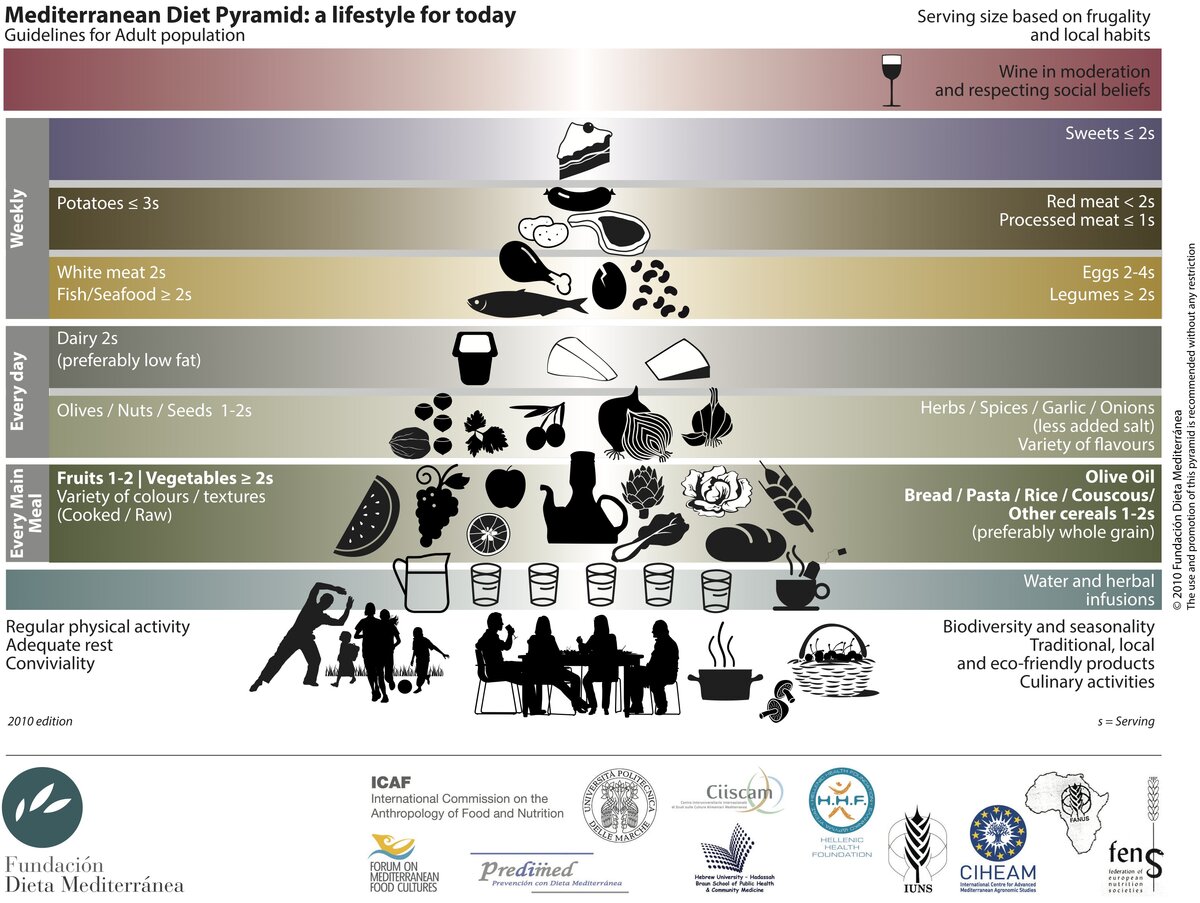
Sardinian shepherds traditionally eat pecorino cheese made from grass‑fed sheep’s milk, along with sourdough barley bread and a moderate amount of Cannonau wine. Mediterranean diet longevity benefits are among the most robustly documented in nutritional science.. These fermented foods provide probiotics that support gut health, a key player in immune function and inflammation control. The Mediterranean pattern—plenty of vegetables, beans, whole grains, olive oil, and a little fish or cheese—remains one of the most studied and validated longevity diets in the world.
the science of caloric restriction and intermittent fasting
Decades of research in yeast, worms, flies, and rodents have shown that reducing calorie intake by 20–30% without malnutrition extends lifespan and delays age‑related diseases. Time‑restricted eating longevity benefits are now supported by human trials showing improved metabolic health and cellular repair. In humans, long‑term caloric restriction is challenging to maintain, but the landmark CALERIE trial found that two years of moderate caloric restriction (about 12% reduction) improved markers of metabolic health, reduced oxidative stress, and even slowed the pace of biological aging measured by epigenetic clocks. (For a deeper look at how nutrient‑sensing pathways influence aging, see Nutrient Sensing Pathways in Aging.)
Caloric restriction and lifespan extension have been consistently demonstrated across species, from yeast to primates.
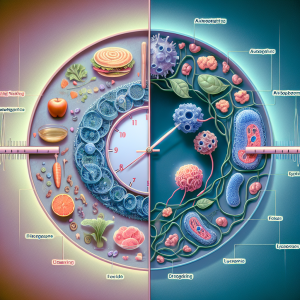
A more practical approach for most people is time‑restricted eating (TRE), a form of intermittent fasting where you consume all your daily calories within a consistent window (typically 8–12 hours). TRE aligns eating with circadian rhythms, improving insulin sensitivity, reducing inflammation, and promoting cellular repair.
how fasting triggers autophagy and cellular repair
When you fast for 12–16 hours, your body depletes its glycogen stores and switches to fat burning. This metabolic shift also activates autophagy—literally “self‑eating”—a cellular cleanup process that recycles damaged proteins and organelles. Autophagy is essential for maintaining cellular health, and its decline is a hallmark of aging. (Explore the science behind this process in our article Autophagy and Longevity.) Studies in animals and preliminary human trials suggest that intermittent fasting boosts autophagy, potentially slowing aging and protecting against neurodegenerative diseases.
The autophagy diet—centered on periodic fasting—aims to boost this cellular cleanup process for longevity.
practical time‑restricted eating windows
A sustainable TRE window for many is 12 hours (e.g., 8 a.m. to 8 p.m.). More ambitious windows like 16:8 (eating within 8 hours) or 18:6 can amplify benefits but may not be suitable for everyone. Start with a 12‑hour overnight fast and gradually shorten the eating window if you feel comfortable. The key is consistency and listening to your body; TRE should feel energizing, not draining.
macronutrient balance: Protein, fat, and carbohydrates for longevity
Beyond calories, the type of calories matters profoundly for aging. Research on nutrient‑sensing pathways has revealed that protein intake, in particular, influences longevity through the mTOR (mechanistic target of rapamycin) pathway. mTOR is a central regulator of cell growth and proliferation; when overactivated by high protein (especially branched‑chain amino acids), it accelerates aging and increases cancer risk. (Learn more about The mTOR Pathway and Aging.)
the protein‑longevity paradox: Enough but not too much
You need adequate protein to preserve muscle mass and function as you age—a condition known as sarcopenia. Protein and aging research highlights the need for balance: enough to prevent sarcopenia but not so much that mTOR is overactivated. (Pairing protein with regular exercise is also essential; see Exercise Prevents Muscle Loss as We Age.) But “more protein” isn’t always better. Studies suggest that moderate protein intake (about 0.8–1.2 g per kg of body weight daily) from primarily plant sources may optimize longevity. Plant proteins (beans, lentils, tofu, nuts) provide fiber and phytochemicals without the saturated fat and advanced glycation end‑products (AGEs) associated with excessive red and processed meats.
why omega‑3s are non‑negotiable for cellular health
Healthy fats are important for brain health, reducing inflammation, and maintaining cell‑membrane fluidity. Omega‑3 fatty acids (EPA and DHA) from fatty fish (salmon, sardines) and algae oil are especially important: they help counter the pro‑inflammatory effects of omega‑6 fats prevalent in processed foods. Monounsaturated fats from olive oil, avocados, and nuts also support cardiovascular health and may protect telomeres, the caps on chromosomes that shorten with age.
carbohydrates: Choose whole, fiber‑rich sources
Carbohydrates should come primarily from whole, fiber‑rich sources: vegetables, fruits, legumes, and intact grains like oats, quinoa, and barley. These slow‑digesting carbs prevent blood‑sugar spikes, feed beneficial gut bacteria, and provide a steady stream of energy. Refined sugars and flours, on the other hand, promote insulin resistance, inflammation, and glycation—all accelerators of aging.
micronutrients and phytochemicals: The hidden longevity boosters
Vitamins, minerals, and plant compounds aren’t just for preventing deficiencies; they actively combat the molecular drivers of aging.
The field of nutritional gerontology examines how specific nutrients influence the aging process at a molecular level.
polyphenol‑rich foods: Nature’s anti‑aging pharmacy
Polyphenols—found in berries, dark chocolate, green tea, coffee, and colorful vegetables—act as antioxidants, reduce inflammation, and activate cellular defense pathways like Nrf2 and sirtuins. Whole foods provide these compounds in a synergistic matrix that’s more effective than supplements.
the vitamin d–longevity connection
Vitamin D, from sun exposure and fatty fish, regulates genes involved in immune function and cell growth. Low levels are linked to higher mortality from cardiovascular disease and cancer. Testing and supplementation may be wise for older adults, people with dark skin, and those living at higher latitudes.
Other key micronutrients include:
- Magnesium (leafy greens, nuts): Supports DNA repair and muscle function.
- Zinc (legumes, seeds): Essential for immune resilience and wound healing.
- Vitamin K2 (fermented foods): Directs calcium to bones and away from arteries.
what to avoid: Foods that accelerate aging
Just as some foods promote longevity, others actively shorten healthspan.
- Ultra‑processed foods: Drive inflammation, disrupt gut microbiota, and are linked to obesity, diabetes, and early death.
- Refined sugars and sweeteners: Promote glycation, leading to AGEs that damage collagen and stiffen arteries.
- Excessive red and processed meats: Linked to colorectal cancer and heart disease.
- Trans fats: Raise LDL cholesterol, lower HDL, and increase systemic inflammation.
Cooking methods also matter: grilling and frying produce advanced glycation end‑products (AGEs), which accumulate in tissues and promote oxidative stress. Steaming, boiling, and using acidic marinades can dramatically reduce AGE formation.
Chronic high blood sugar leads to insulin resistance, a key driver of type 2 diabetes and cellular aging. Cutting added sugars and refined carbs preserves metabolic flexibility and slows aging.
putting it all together: A flexible longevity diet framework
You don’t need a rigid meal plan to reap the benefits of longevity eating. Instead, think in terms of a longevity plate that you can adapt to any cuisine or dietary preference.
For a detailed longevity diet plan, download our free 7‑day meal plan with shopping list and recipes.
the longevity plate: 50% vegetables, 25% plant protein, 25% whole grains
Visualize your plate at each meal:
- Half non‑starchy vegetables (leafy greens, broccoli, peppers, carrots, etc.)
- A quarter plant‑based protein (lentils, chickpeas, tofu, tempeh, edamame) or, occasionally, fish or lean poultry
- A quarter whole grains or starchy vegetables (quinoa, brown rice, sweet potato, squash)
- Add a thumb‑sized portion of healthy fat (olive oil, avocado, nuts, seeds)
This template ensures a high fiber, nutrient‑dense meal with moderate protein and healthy fats. (For a visual guide, download our free Longevity Plate infographic.)
sample longevity‑focused meals
Monday: Mediterranean bowl with quinoa, roasted chickpeas, cherry tomatoes, cucumber, olives, and a lemon‑tahini dressing.
Wednesday: Baked salmon with steamed broccoli and a side of farro.
Friday: Large salad with mixed greens, cannellini beans, avocado, walnuts, and a balsamic vinaigrette.
Snack on nuts, fruit, plain yogurt, or hummus with veggie sticks. Drink mostly water, herbal tea, or black coffee.
adapting the longevity diet to your lifestyle
The longevity diet isn’t about perfection; it’s about progressive, sustainable changes that fit your life.
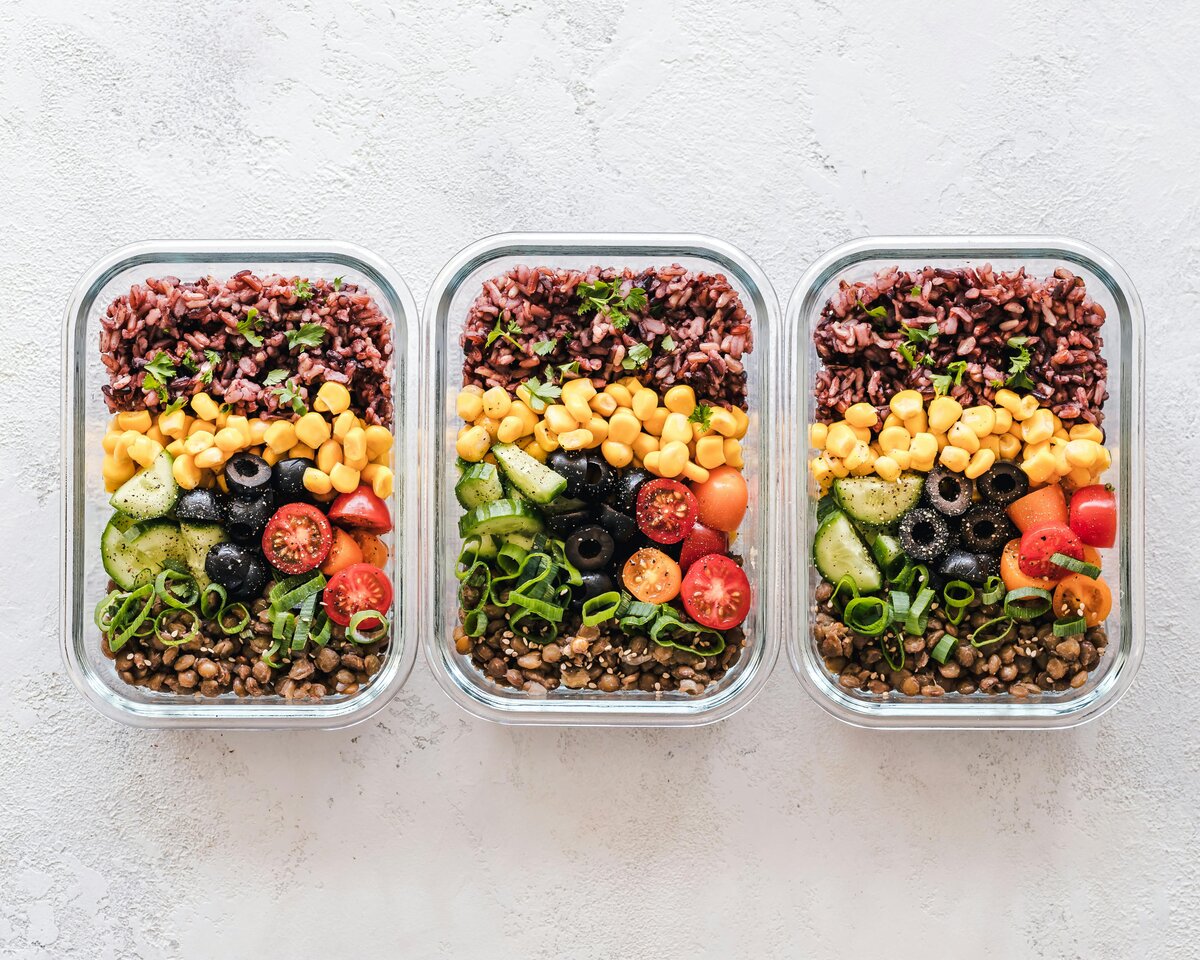
- Busy professionals: Prep grains and beans ahead; keep frozen vegetables and pre‑washed greens handy.
- Families: Involve kids in assembling bowls or wraps; offer deconstructed meals.
- Vegetarians/vegans: Emphasize variety in plant proteins; supplement B12 as needed.
- Dining out and travel: Choose vegetable‑centric options; pack nuts and fruit for snacks.
longevity diet on a budget
Canned beans, lentils, frozen vegetables, oats, and seasonal produce are affordable staples. Buy in bulk, cook at home, and limit pricey animal proteins and packaged foods.
supplements to consider (if gaps remain)
While food should always come first, certain supplements can fill nutritional gaps: Vitamin D3 (if levels are low), Omega‑3 (algae oil or fish oil), Magnesium glycinate, and Vitamin B12 (for vegans and older adults). Consult a healthcare provider before starting any supplement regimen.
frequently asked questions (faq)
What is the longevity diet?
A science‑backed eating pattern focused on extending healthspan and lifespan through whole plant foods, moderate protein, healthy fats, time‑restricted eating, and avoidance of ultra‑processed foods.
How much protein should I eat for longevity?
Most studies suggest 0.8–1.2 g/kg/day, emphasizing plant sources to maintain muscle while avoiding overactivation of aging‑related pathways like mTOR.
Does intermittent fasting work for everyone?
Time‑restricted eating benefits many, but isn’t suitable for those with eating disorders, pregnancy, certain medical conditions, or specific medications—consult a healthcare provider first.
What do Blue Zones eat?
Overwhelmingly plant‑based diets with vegetables, fruits, legumes, whole grains, nuts, and seeds; meat rarely, fish in moderation, and fermented dairy occasionally.
conclusion: Food as the foundation of a long, vibrant life
The longevity diet boils down to a few evidence‑backed principles: eat mostly plants, prioritize whole foods, keep protein moderate, incorporate time‑restricted eating, and avoid ultra‑processed foods. This diet for healthspan focuses on adding life to years, not just years to life.. The longevity diet provides a sustainable framework for making these choices. It’s not a short‑term fix but a lifelong approach to nourishing your body and mind.
Start with one change—maybe adding an extra vegetable to every meal or narrowing your eating window by an hour—and build from there. Remember, the goal isn’t just to live longer; it’s to live better, with energy, clarity, and resilience well into your later years.
For more on separating fact from fiction, read our article on Debunking Longevity Myths.
Food is more than fuel; it’s information that tells your cells how to age. Choose wisely, enjoy every bite, and savor the years ahead.
For a free “7‑Day Longevity Diet Meal Plan” with shopping list and recipes, sign up for our newsletter. Explore our “Longevity Kitchen” section for more science‑backed recipes, and read our deep dive on Time‑Restricted Eating for a closer look at how meal timing affects metabolism and cellular repair.