
Brain Regeneration: The Science of Neuroplasticity and Aging
For decades, conventional wisdom held that the adult brain was a static organ—you were born with a finite number of neurons, and aging inevitably meant losing them. Today, we know that’s far from the truth. Groundbreaking research reveals that the adult brain retains a remarkable ability to repair, rewire, and even generate new neurons—a phenomenon known as brain regeneration.
The discovery of adult neurogenesis (the birth of new neurons) and neuroplasticity (the brain’s ability to reorganize itself) has revolutionized our understanding of cognitive health. Far from being a passive victim of time, your brain can remain dynamic, resilient, and capable of growth well into your later years. This isn’t just theoretical; studies show that lifestyle choices, diet, exercise, and even specific supplements can directly influence these regenerative processes.
In this comprehensive guide, we’ll explore the science behind brain regeneration, unpack how aging affects neuroplasticity, and provide evidence‑based strategies to harness your brain’s innate regenerative capacity. Whether you’re in your 40s looking to sharpen mental clarity or in your 60s aiming to preserve memory and focus, the principles of brain regeneration offer a powerful roadmap for lifelong cognitive vitality.
what is brain regeneration?
At its core, brain regeneration encompasses two complementary processes: neurogenesis (the creation of new neurons) and neuroplasticity (the remodeling of neural connections). Together, they enable the brain to adapt, learn, and recover from injury.
neurogenesis: The birth of new neurons
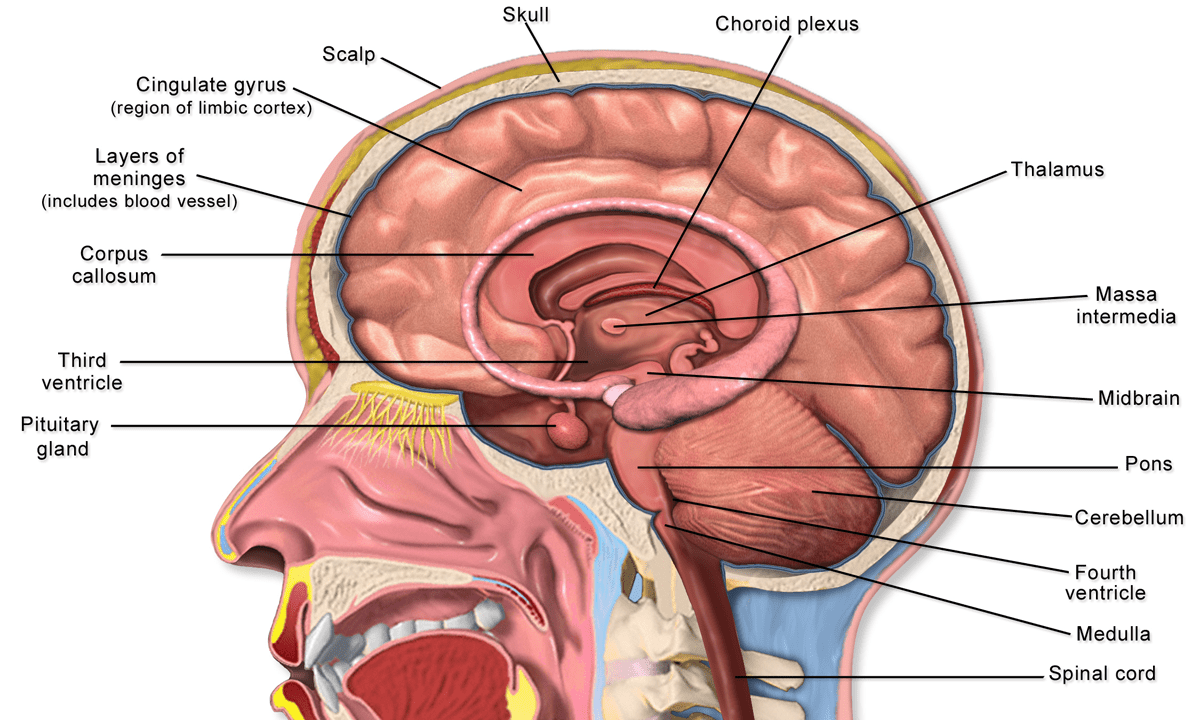
For decades, scientists thought neurogenesis stopped after childhood. We now know that adult humans continue to produce new neurons in the hippocampus, a region vital for learning and memory. Advanced studies confirm the presence of neural stem cells and immature neurons in the adult brain, establishing a clear neurogenic trajectory that persists throughout life, though its rate slows with age.
neuroplasticity: The brain’s adaptive wiring
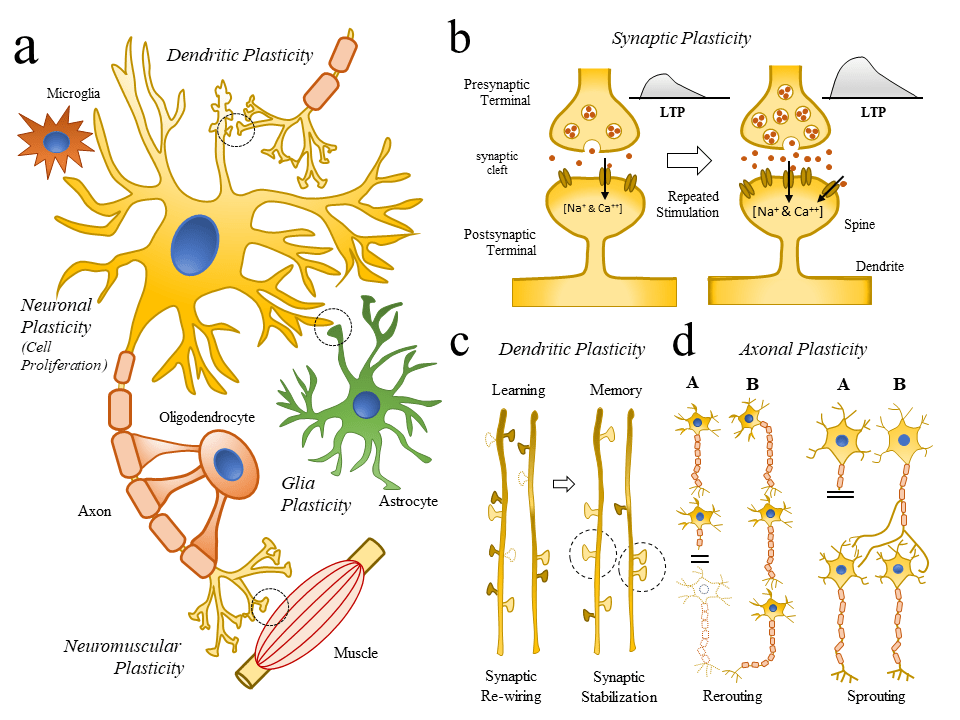
Neuroplasticity is the brain’s ability to rewire its synaptic connections based on experience. This dynamic process underpins learning, memory, and recovery from injury. Key mechanisms include long‑term potentiation (LTP) (strengthening used connections) and long‑term depression (LTD) (weakening unused ones). The adage “neurons that fire together, wire together” captures this principle: by engaging in novel, challenging activities, you actively shape your brain’s architecture.
the hippocampus: Ground zero for regeneration
The dentate gyrus of the hippocampus is the primary site of adult neurogenesis in humans, important for memory formation. Studies of “SuperAgers”—individuals over 80 with memory performance matching people decades younger—show a higher abundance of immature neurons there, linking preserved neurogenesis to exceptional cognitive aging.
the science behind neuroplasticity
Neuroplasticity isn’t a single mechanism but a symphony of molecular, cellular, and systems‑level changes. Understanding how it works—and how aging affects it—empowers you to take proactive steps to support your brain’s plasticity.
molecular mechanisms: Bdnf, synaptic proteins, and more
Key molecular players include brain‑derived neurotrophic factor (BDNF), which promotes neuronal survival and synaptic strength; IGF‑1, supporting neuronal growth; VEGF, stimulating new blood vessel formation; and synaptic proteins like synaptophysin and PSD‑95 that maintain synaptic structures. Lifestyle factors such as exercise, diet, and sleep directly influence these molecules.
how aging affects plasticity
Aging often brings a decline in neuroplasticity markers: BDNF levels drop, cerebral blood flow may diminish, and inflammation can increase. Epigenetic changes also accumulate, dampening genes that support neurogenesis. However, this decline is not inevitable. Research on SuperAgers shows that some individuals maintain youthful levels of hippocampal neurogenesis and synaptic markers well into old age, largely due to modifiable lifestyle factors. Research into reversing cellular aging confirms that these lifestyle factors play a measurable role.
evidence from human and animal studies
Animal studies show that environmental enrichment (toys, social interaction) boosts neurogenesis and cognitive performance. Human neuroimaging corroborates: regular aerobic exercise is linked to larger hippocampal volumes and greater cortical thickness, while learning new skills increases brain network connectivity.
lifestyle factors that boost brain regeneration
Your daily habits have a profound impact on your brain’s regenerative capacity. Here are the most evidence‑backed lifestyle interventions for promoting neurogenesis and neuroplasticity.

exercise: The most potent neurogenic stimulus
Physical activity is the most potent neurogenic stimulus. Aerobic exercise (running, cycling, swimming) increases cerebral blood flow, elevates BDNF, and stimulates hippocampal neurogenesis. Resistance training (weight lifting, resistance bands) boosts IGF‑1 and enhances cortical excitability. Combining both yields the greatest cognitive gains.
Actionable tip: Aim for at least 150 minutes of moderate‑intensity aerobic activity per week, plus two sessions of resistance training. Even brisk walking counts—consistency matters more than intensity.
diet: Nourishing your neurons
What you eat directly influences neuroinflammation and neurotrophic factors. Key patterns:
- Mediterranean diet—Rich in vegetables, fruits, whole grains, olive oil, and fish, linked to larger hippocampal volume and slower cognitive decline.
- Intermittent fasting/time‑restricted eating—Cycles of fasting upregulate autophagy and increase hippocampal neurogenesis.
- Omega‑3 fatty acids—Found in fatty fish, walnuts, and flaxseeds, DHA is critical for neuronal membranes and enhances BDNF signaling.
Actionable tip: Prioritize whole, plant‑based foods, include fatty fish twice a week, and consider narrowing your eating window to 8–10 hours per day.
sleep: The brain’s nightly repair shift
During slow‑wave sleep and REM sleep, the brain clears waste, consolidates memories, and primes neuroplasticity. Sleep deprivation impairs hippocampal neurogenesis, reduces BDNF, and elevates damaging cortisol.
Actionable tip: Protect your sleep as you would a vital medication. Aim for 7–9 hours per night, maintain a consistent sleep schedule, and create a dark, cool, and quiet sleeping environment. Understanding the cellular mechanisms behind aging can help you make the most of these sleep habits.
stress management: Taming cortisol
Chronic stress elevates cortisol, suppressing neurogenesis and shrinking the hippocampus. Mindfulness practices like meditation and yoga lower cortisol, increase gray‑matter density, and enhance emotional regulation.
Actionable tip: Incorporate 10–15 minutes of mindfulness or deep‑breathing exercises into your daily routine. Even short “micro‑breaks” to step outside and breathe can reduce stress hormones.
cognitive stimulation: The “use it or lose it” principle
Challenging your brain with novel, complex activities strengthens neural connections and encourages new ones. Learning a new language, playing an instrument, or strategic games stimulate neuroplasticity.
Actionable tip: Dedicate 30 minutes a day to a mentally engaging hobby that is outside your comfort zone. Variety is key—rotate activities to engage different brain regions.
supplements and nootropics: Evidence‑based support
While lifestyle is foundational, certain supplements have shown promise in supporting neurogenesis and cognitive function. Always consult your healthcare provider before starting any new supplement regimen.
lion’s mane mushroom (hericium erinaceus)
Lion’s mane contains hericenones and erinacines, which stimulate nerve growth factor (NGF) synthesis. A 2023 randomized trial found lion’s mane extract improved cognitive scores in older adults with mild cognitive impairment.
Dosage: Most studies use 1,000–3,000 mg per day of standardized extract.
curcumin
Curcumin, the active compound in turmeric, has anti‑inflammatory and antioxidant effects. It promotes hippocampal neurogenesis via the Wnt/β‑catenin pathway. A 2025 study found curcumin reversed cognitive deficits in Alzheimer’s models and increased neural stem cell proliferation.
Dosage: Look for formulations with enhanced bioavailability (e.g., with piperine or in liposomal form). Typical doses range from 500–1,000 mg daily.
resveratrol
Resveratrol, found in red grapes and blueberries, activates sirtuins (proteins involved in cellular repair). While high doses may inhibit neurogenesis in animals, human trials show moderate supplementation improves cerebral blood flow and memory in older adults.
Dosage: 200–500 mg per day, preferably from a trans‑resveratrol extract.
a word of caution
The supplement industry is rife with exaggerated claims. Stick to compounds with robust human data, and be wary of “miracle” brain‑boosters. Supplements are meant to complement—not replace—a healthy lifestyle. For a deeper dive into nootropics and their mechanisms, explore our Biohacking category.
debunking common myths about brain regeneration
Misinformation abounds in the realm of brain health. Let’s set the record straight on three pervasive myths.
myth 1: “you lose neurons every day and can’t replace them”
Reality: Adult neurogenesis is a scientifically validated phenomenon. While the rate of neuron production slows with age, the hippocampus retains the capacity to generate new neurons throughout life. Lifestyle interventions can significantly boost this process.
myth 2: “brain‑training games alone will regenerate your brain”
Reality: While cognitively stimulating activities are beneficial, isolated brain‑training games often lead to narrow, task‑specific improvements that don’t translate to real‑world cognitive function. Holistic lifestyle changes—exercise, diet, sleep, and social engagement—provide far broader and more sustainable benefits.
myth 3: “quick‑fix supplements can reverse decades of decline”
Reality: No pill can offset a sedentary lifestyle, poor diet, or chronic stress. Supplements can support brain health, but they are not magic bullets. Sustainable brain regeneration requires consistent, multifaceted habits.
future directions and research
Emerging areas of interest include:
Stem‑cell therapies—Researchers are exploring ways to harness neural stem cells to repair damage from stroke, traumatic brain injury, or neurodegenerative diseases.
Epigenetic reprogramming—Techniques that reset age‑related epigenetic changes could one day restore youthful patterns of gene expression in the brain.
Wearable neurotechnology—Devices that deliver targeted electrical or magnetic stimulation (e.g., transcranial direct current stimulation) may enhance neuroplasticity and accelerate learning.
While these innovations are promising, they are not yet ready for mainstream use. For now, the most powerful tools for brain regeneration are already in your hands: movement, nutrition, sleep, and mental engagement.
conclusion: Your brain’s regenerative journey
The science is clear: you can shape your cognitive destiny through neuroplasticity and neurogenesis. Start with these evidence‑based strategies:
- Move regularly—Combine aerobic and resistance exercise.
- Eat a brain‑nourishing diet—Emphasize plants, omega‑3s, and periodic fasting.
- Prioritize sleep—Aim for 7–9 hours of quality rest each night.
- Manage stress—Practice mindfulness and cultivate relaxation.
- Challenge your mind—Learn something new every day.
- Consider evidence‑based supplements—Lion’s mane, curcumin, and resveratrol may provide additional support.
Remember, small, consistent changes compound over time. You don’t need to overhaul your life overnight; focus on one habit at a time. Your brain’s regenerative capacity is a lifelong resource—nurture it, and it will reward you with clarity, resilience, and vitality for years to come.
Ready to take the next step? Download our free checklist [“7‑Day Brain Regeneration Routine”] and sign up for our newsletter to receive weekly longevity tips straight to your inbox. Our guide on how exercise protects your brain from aging dives deeper into the science.
Disclaimer: This article is for informational purposes only and does not constitute medical advice. Consult your healthcare provider before making any changes to your diet, exercise, or supplement regimen.