
in this article
- Autophagy 101: Your Cells’ Built-In Anti-Aging Mechanism
- The Metabolic Switch: How Fasting Triggers Autophagy
- Timing Matters: Comparing Popular Fasting Schedules
- Measuring the Unseeable: How to Know If Autophagy Is Happening
- Autophagy and Specific Aging Pathways
- Optimizing Your Fasting Schedule for Longevity
- Common Pitfalls and Myths
- Sample 7-Day Autophagy-Focused Fasting Plan
- Conclusion: Fasting as a Temporal Tool for a Longer Healthspan
- FAQ: Intermittent Fasting and Autophagy
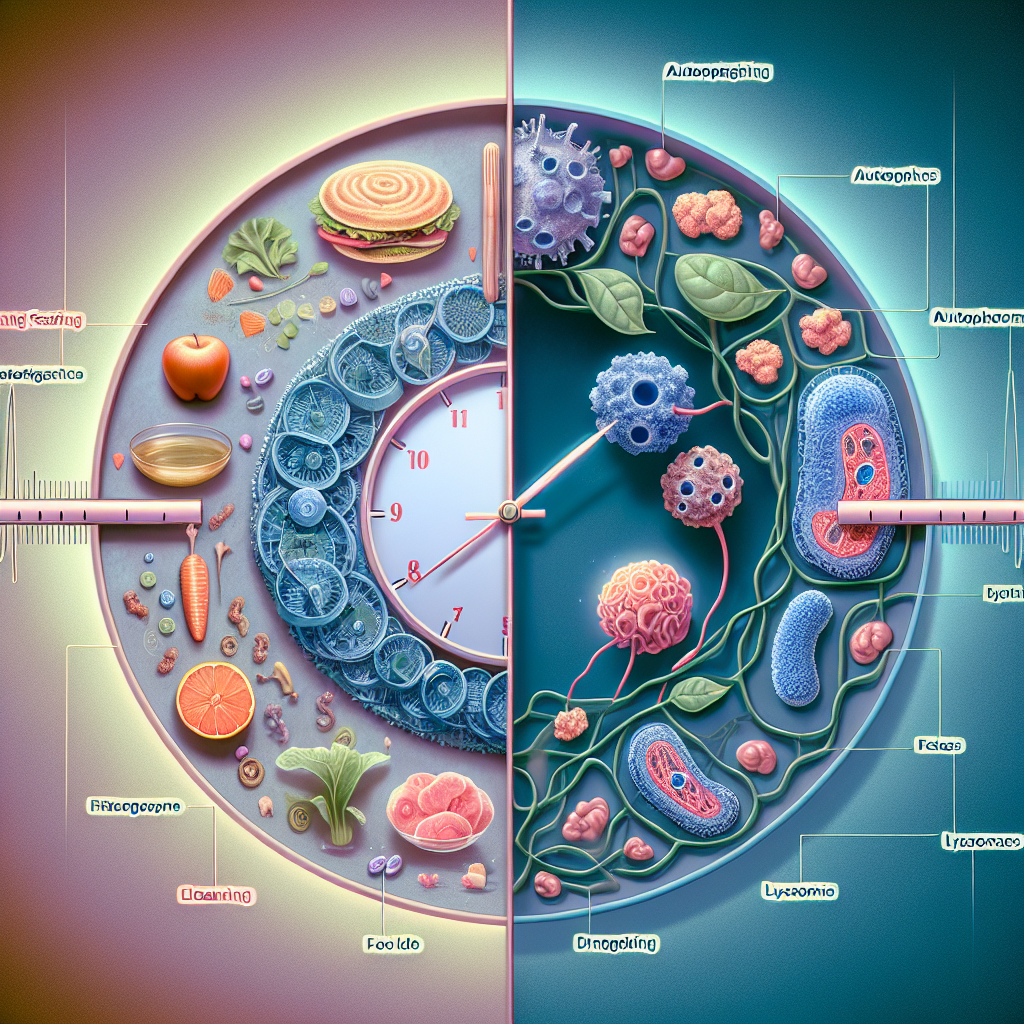
What if the secret to slowing aging isn’t just what you eat, but when you stop eating? Emerging science reveals that your fasting window may be one of the most powerful levers to activate autophagy—the cellular “cleaning‑out” process that recycles damaged components and rejuvenates your cells. While intermittent fasting (IF) is widely known for weight loss, its profound anti‑aging potential lies in fine‑tuning this cellular rejuvenation cycle.
This article provides a science‑backed guide on how different fasting schedules (16/8, 18/6, 24‑hour fasts, etc.) influence autophagy depth and duration, and how that impacts biomarkers of aging. We’ll explore the metabolic switch that triggers autophagy, compare popular fasting protocols, and offer practical steps to design a personalized fasting plan for longevity.
autophagy 101: Your cells’ built‑in anti‑aging mechanism
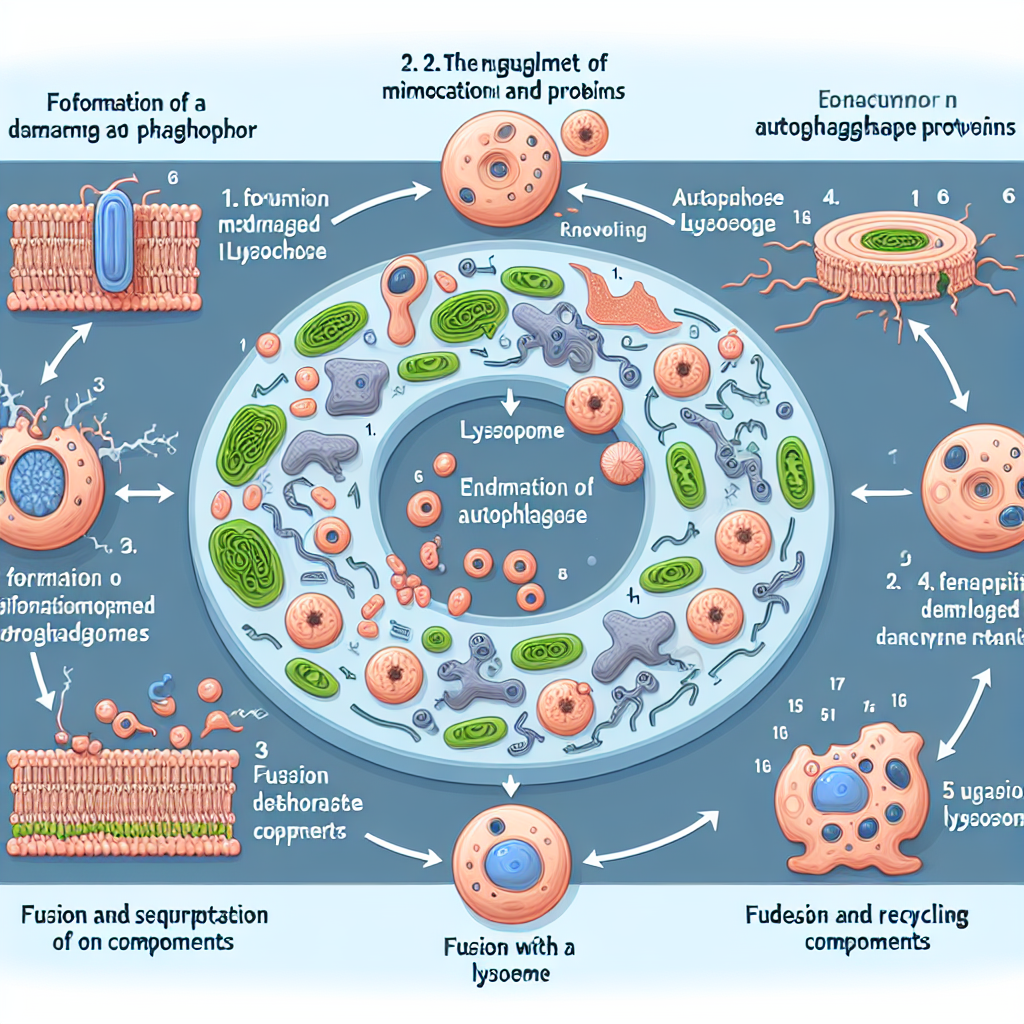
Autophagy (literally “self‑eating”) is a conserved cellular process that acts like a microscopic recycling plant. When nutrients are scarce—or during specific stress signals—cells digest their own damaged proteins, malfunctioning organelles, and accumulated debris, turning them into raw materials for building new, healthy components. Think of it as a cellular “spring cleaning” that removes the molecular junk that otherwise contributes to aging and disease.
This cellular cleaning process isn’t a single mechanism; it operates through three main pathways:
- Macroautophagy – the classic “self‑eating” via autophagosomes
- Microautophagy – direct lysosomal engulfment
- Chaperone‑mediated autophagy – selective protein delivery
Of these, macroautophagy is the primary route upregulated by fasting and is responsible for clearing damaged organelles and protein aggregates.
how autophagy slows aging: From DNA repair to reduced inflammation
The anti‑aging benefits of this cellular cleaning process are multifaceted. By clearing out damaged mitochondria (via mitophagy), this cellular cleanup reduces oxidative stress—a key driver of cellular aging. It also removes misfolded proteins that can form toxic aggregates, supports DNA repair mechanisms, and dampens chronic inflammation by degrading inflammasome components. In animal models, enhancing this self-cleaning mechanism extends lifespan and healthspan, while its impairment accelerates age‑related pathologies.
the metabolic switch: How fasting triggers autophagy
The autophagy process is regulated by nutrient‑sensing pathways. Eating raises insulin, activating mTOR, which inhibits this cellular cleaning (cells are in “building mode”). Fasting lowers insulin, reducing mTOR activity while activating AMPK—the cell’s energy sensor that promotes autophagy. Sirtuins, longevity‑linked deacetylases, are also upregulated, further stimulating autophagic flux.
finding the right fasting duration and the role of ketones
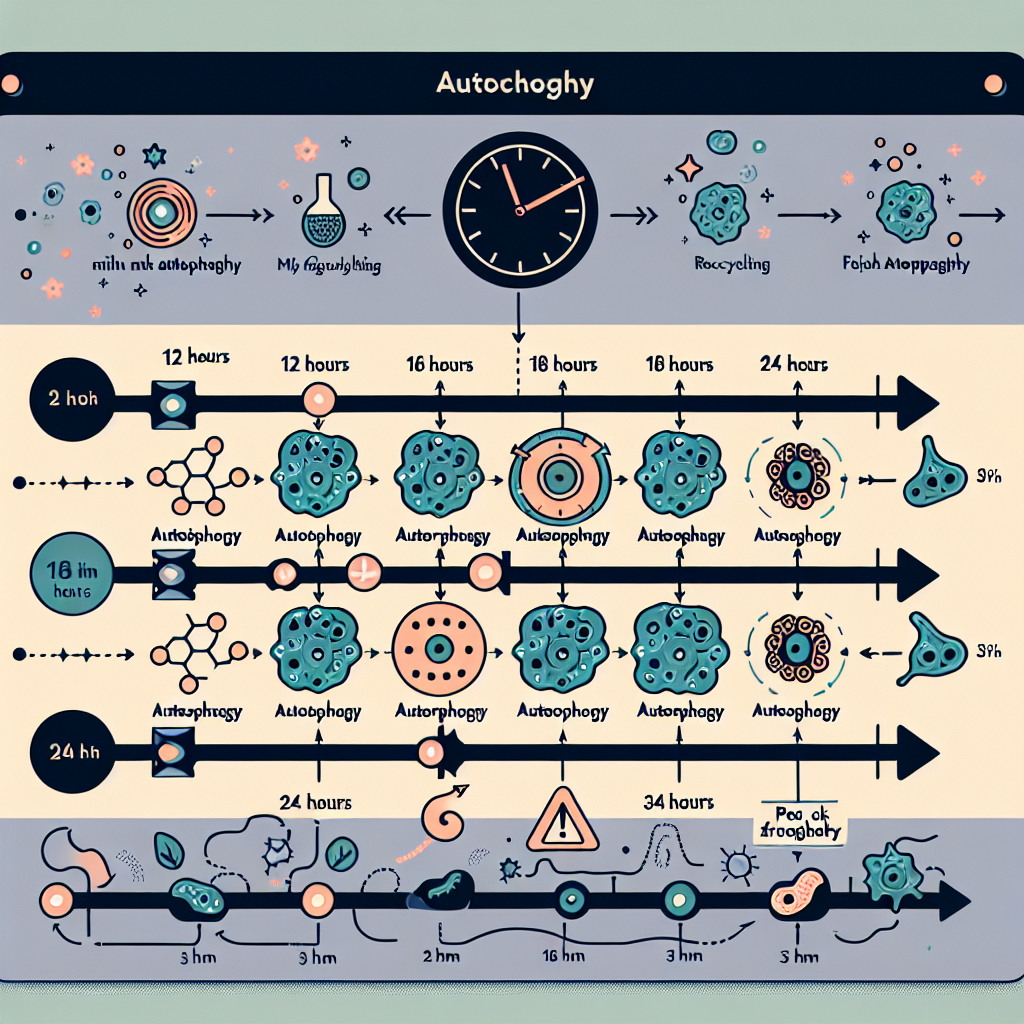
Animal and human studies suggest this cellular cleaning intensifies with fasting duration. In mice, markers rise after 12–16 hours and peak around 24–48 hours. In humans, indirect evidence indicates the “autophagy zone” likely begins between 14 and 18 hours and continues through 24–72 hours.
Ketone bodies (produced after 12–16 hours of fasting) are not required for this self-cleaning process but may enhance it by activating AMPK. While ketosis and autophagy often coincide, this cellular cleaning can occur without significant ketosis. Reaching a ketotic state is a helpful indicator that you’ve fasted long enough to trigger this process.
timing matters: Comparing popular fasting schedules
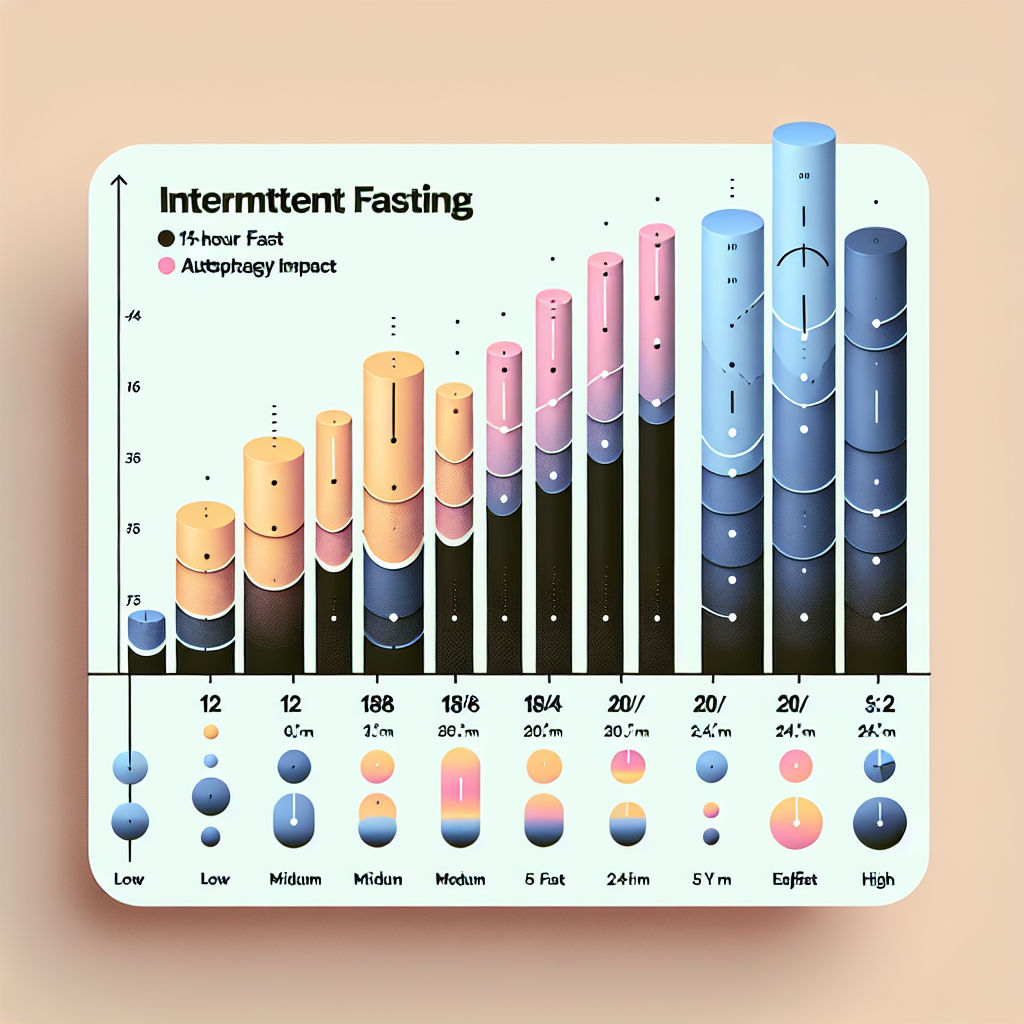
Not all fasting windows are created equal when it comes to cellular cleaning. Here’s how common intermittent fasting protocols stack up:
| Protocol | Fasting Window | Expected Autophagy Impact | Best For |
|---|---|---|---|
| 12‑hour fast (circadian rhythm alignment) | 12 hours overnight | Low to moderate | Beginners, metabolic priming |
| 16/8 (most studied) | 16 hours daily | Moderate | Sustainable daily autophagy, weight loss |
| 18/6 | 18 hours daily | Moderate to high | Deeper cellular cleaning, experienced fasters |
| 20/4 (Warrior Diet) | 20 hours daily | High | Maximizing daily autophagy window |
| 24‑hour fast (Eat‑Stop‑Eat) | 24 hours, 1–2×/week | High to very high | Peak autophagy, weekly reset |
| 5:2 diet | ~500‑600 calories on 2 non‑consecutive days | Moderate (depends on calorie type) | Flexibility, gradual adaptation |
the 16‑hour threshold and beyond: Balancing duration and benefits
The 16‑hour mark is a critical point in human studies; time‑restricted eating (TRE) with a 16‑hour daily fast improves insulin sensitivity, reduces oxidative stress, and upregulates autophagy‑related genes. A 2025 study in The Journal of Physiology found increased autophagic flux after six months of intermittent TRE. While autophagy likely starts earlier, 16 hours is a practical, sustainable duration.
Extended fasts (36–72 hours) push autophagy further and may trigger stem‑cell regeneration and immune‑system reset. A 2024 study showed that after 72 hours, the body enters a coordinated, systemic repair mode. However, longer fasts are more challenging and carry higher risks. For most people, daily 16–18‑hour fasts combined with occasional 24‑hour fasts offer the best risk‑benefit balance.
measuring the unseeable: How to know if autophagy is happening
In research labs, this process is measured with biomarkers like LC3‑II and p62, but these aren’t practical for everyday tracking. While you can’t see cellular cleaning directly, many fasters report subjective cues that may correlate with increased autophagic activity:
- Mental clarity and focus (“fasting high”)
- Reduced hunger after adaptation
- Temporary fatigue (energy shift to cellular repair)
- Changes in urine odor (ketone excretion)
These signs are individual and not definitive proof.
Currently, no consumer device directly measures this cellular cleaning, but surrogate markers can provide indirect evidence:
- Blood ketones (≥0.5 mM suggests glycogen depletion)
- Glucose/insulin (low levels indicate mTOR inhibition)
- HRV (some wearables show increased heart‑rate variability during fasting)
Emerging research may bring saliva or urine tests, but for now, we rely on physiological proxies.
autophagy and specific aging pathways
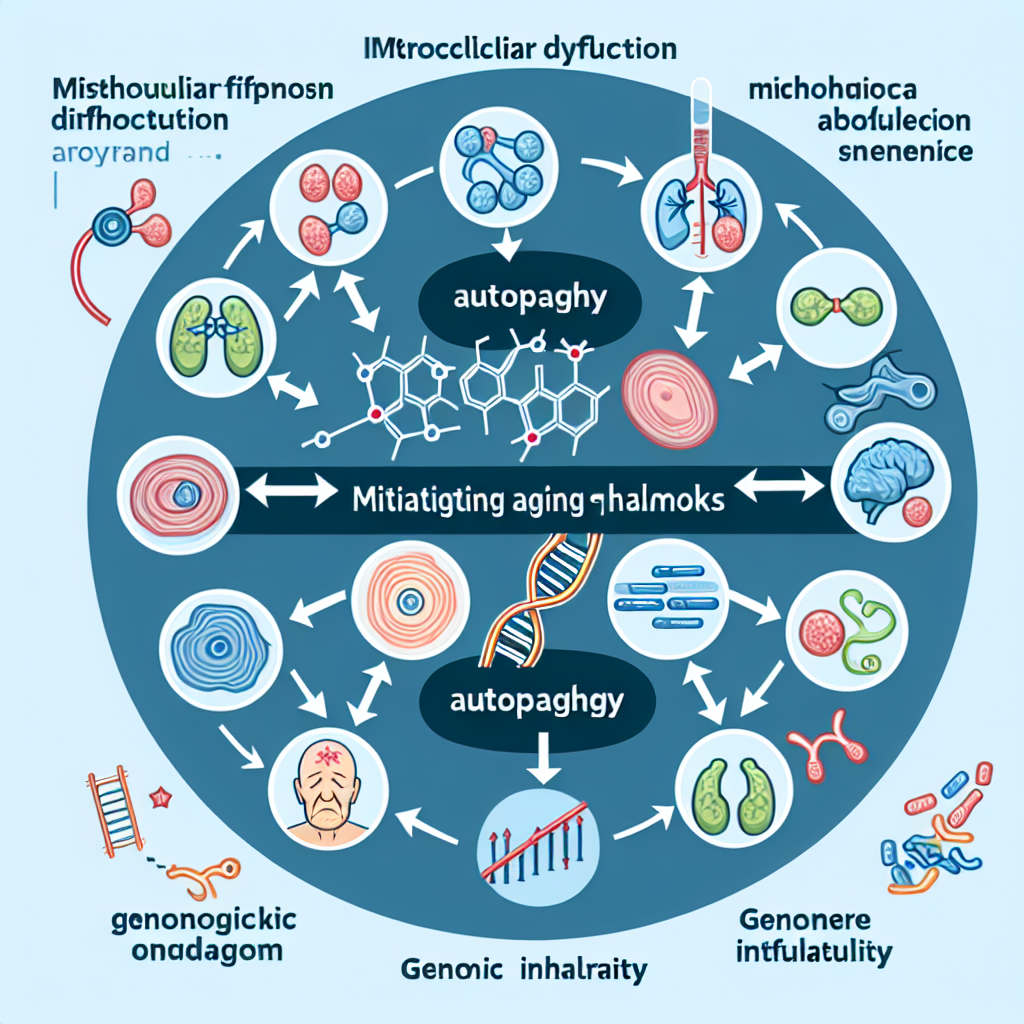
This cellular cleaning process intersects with several of the “hallmarks of aging,” offering a multi‑pronged defense against age‑related decline.
mitochondrial dysfunction: Mitophagy to the rescue
Damaged mitochondria produce excess reactive oxygen species (ROS). Mitophagy—the selective autophagy of mitochondria—clears out these dysfunctional organelles, promoting a healthier mitochondrial pool. Fasting‑induced mitophagy improves cardiac function and muscle endurance in aging animal models.
cellular senescence: Clearing out “zombie cells”
Senescent cells secrete inflammatory factors that drive tissue aging. This process helps remove senescent cells by degrading their survival pathways. Some fasting‑mimicking diets reduce senescent cell burden in humans.
genomic instability and telomere attrition
Autophagy supports DNA repair by providing nucleotides and energy for repair enzymes. It also reduces oxidative stress that accelerates telomere shortening, indirectly helping preserve telomere integrity.
skin aging and autophagy: The “glow” after a fast
This process degrades damaged collagen and elastin fragments, stimulates fibroblast activity, and reduces sebum production. The “fasting glow” likely stems from reduced systemic inflammation and enhanced cellular turnover.
brain aging: Autophagy’s role in neuroprotection
Neurons rely on this cellular cleaning to clear protein aggregates like amyloid‑β and tau. Short‑term fasting induces profound neuronal autophagy in mice, and human observational data links intermittent fasting with lower risk of neurodegenerative diseases.
optimizing your fasting schedule for longevity
Designing a fasting protocol that maximizes autophagy while fitting your lifestyle requires a personalized approach. Follow this step‑by‑step guide:
- Start with your baseline. If you’re new to fasting, begin with a 12‑hour overnight fast (e.g., finish dinner by 8 p.m., eat breakfast at 8 a.m.). Stay there for a week.
- Gradually extend. Add 1–2 hours every few days until you reach a 16‑hour fast. Listen to your body—hunger, energy, sleep quality.
- Consider circadian alignment. Eating earlier in the day (e.g., 8 a.m.–4 p.m.) may amplify autophagy due to natural circadian rhythms in metabolism. Night‑shift workers should align their eating window with their waking phase.
- Factor in activity. Exercising in a fasted state (especially low‑to‑moderate intensity cardio) can further stimulate autophagy. Save high‑intensity workouts for when you’re fed, or ensure proper electrolyte support.
- Adjust for age and sex. Older adults may need shorter fasts to prevent muscle loss; women may benefit from shorter fasting windows during certain menstrual phases. Always prioritize protein intake during eating windows.
timing and synergy: Circadian rhythms and exercise
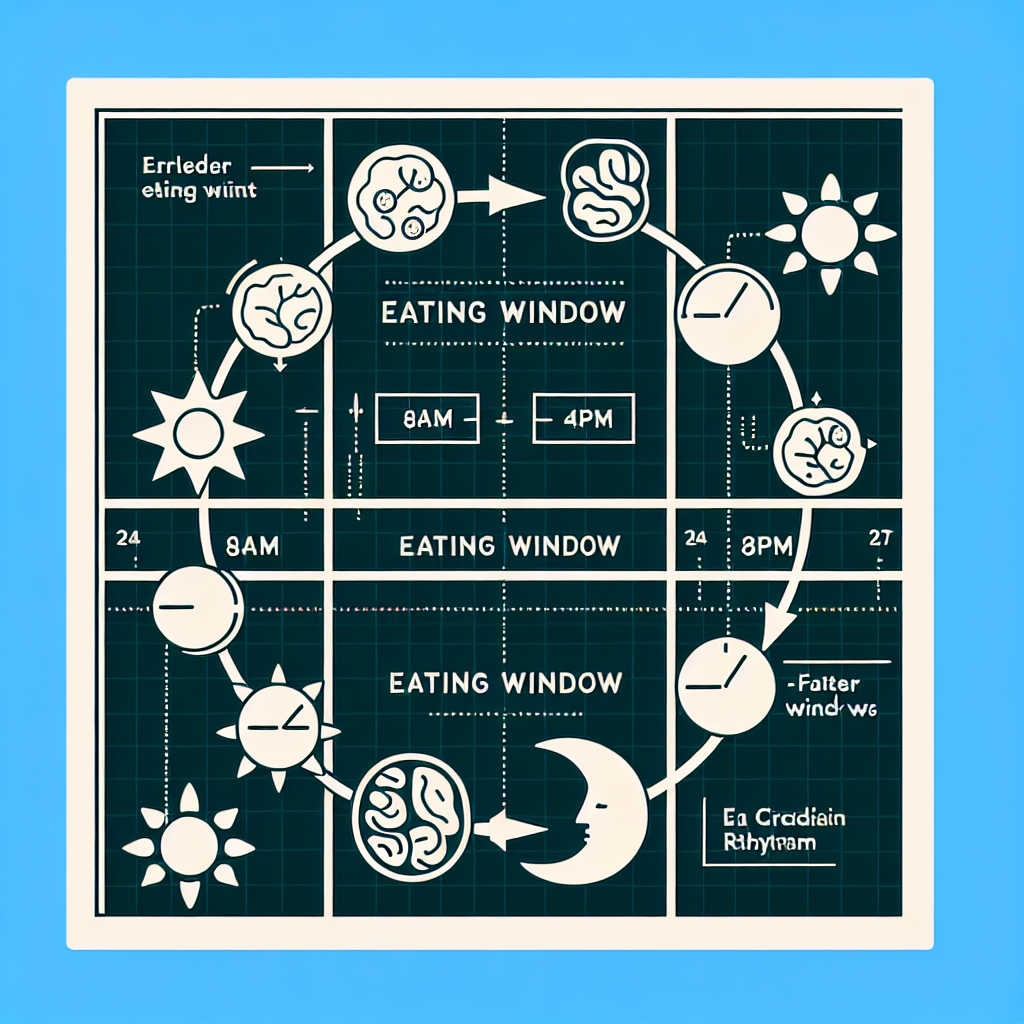
Your cells’ autophagy machinery follows a circadian rhythm, peaking at night. Eating late can blunt this surge; early time‑restricted feeding (eTRF) shows superior improvements in glucose metabolism, blood pressure, and autophagy markers. For exercise, fasted low‑intensity cardio can increase autophagic flux, while high‑intensity workouts are best done toward the end of your eating window to leverage nutrient availability for repair.
common pitfalls and myths
“you must be in ketosis for autophagy”
False. Ketosis often coincides with autophagy but isn’t required; autophagy can occur independently.
“coffee breaks a fast”
Plain black coffee is fast‑friendly and may enhance autophagy via AMPK activation. Cream or sweeteners can spike insulin and blunt autophagy.
“autophagy happens only after 3 days”
Autophagy increases within 16–24 hours in humans. Three‑day fasts deepen the process, but you don’t need to wait that long.
“dirty fasting” vs. “clean fasting”: Does a splash of milk matter?
Clean fasting (only water, black coffee, or plain tea) maximizes this cellular cleaning. Dirty fasting (even 50 kcal) can raise insulin and dampen the effect.
autophagy and muscle loss: Separating fact from fear
Short‑term fasting doesn’t cause muscle loss; growth hormone rises to preserve lean mass. Extended fasts beyond 48 hours without protein refeeding can lead to muscle breakdown. For more on preserving muscle mass while fasting, see our guide on Exercise Prevents Muscle Loss as We Age.
putting it all together: A sample 7‑day autophagy‑focused fasting plan
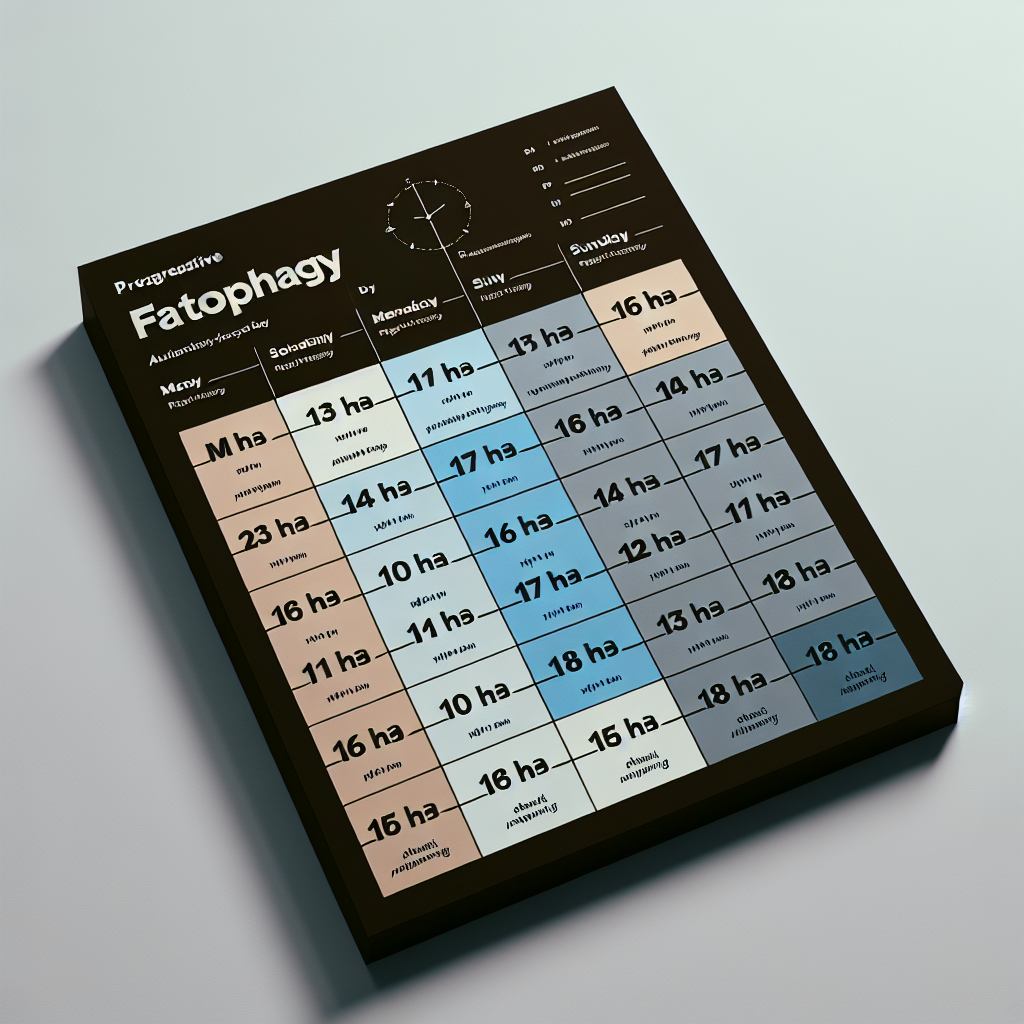
This flexible plan gradually increases fasting duration while incorporating circadian alignment and refeed days. Adjust as needed.
| Day | Fasting Window | Eating Window | Notes |
|---|---|---|---|
| Monday | 14 hours (7 p.m.–9 a.m.) | 9 a.m.–7 p.m. | Gentle start; focus on hydration. |
| Tuesday | 15 hours (7 p.m.–10 a.m.) | 10 a.m.–7 p.m. | Add 1 hour; note energy levels. |
| Wednesday | 16 hours (7 p.m.–11 a.m.) | 11 a.m.–7 p.m. | Classic 16/8; try fasted walk. |
| Thursday | 16 hours (7 p.m.–11 a.m.) | 11 a.m.–7 p.m. | Consolidate; prioritize protein. |
| Friday | 17 hours (7 p.m.–12 p.m.) | 12 p.m.–7 p.m. | Push lunch later; herbal tea in morning. |
| Saturday | 18 hours (7 p.m.–1 p.m.) | 1 p.m.–7 p.m. | Weekend longer fast; light activity. |
| Sunday | 14 hours (8 p.m.–10 a.m.) | 10 a.m.–8 p.m. | Relaxed refeed; enjoy social meals. |
making the plan work for you
The first three days focus on adaptation; hunger peaks around 14–16 hours—electrolyte water can help. Days 4–6 introduce longer windows; add fasted exercise if you feel strong. Day 7 is a relaxed refeed to support social eating and prevent metabolic adaptation.
If benefits stall after a few weeks, try switching to an earlier eating window, adding a weekly 24‑hour fast, ensuring no hidden calories, and optimizing sleep and stress.
conclusion: Fasting as a temporal tool for a longer healthspan
The science is clear: when you eat matters as much as what you eat. By strategically timing your fasting windows, you can harness autophagy—your cells’ innate anti‑aging mechanism—to clear out metabolic debris, reduce inflammation, and potentially slow the aging process. There is no one‑size‑fits‑all protocol; the optimal schedule depends on your age, sex, lifestyle, and goals.
Start gradually, track your subjective responses, and don’t hesitate to adjust. Intermittent fasting is not a short‑term diet but a long‑term lifestyle tweak that can help you not just live longer, but live better—with more energy, sharper cognition, and resilient health.
faq: Intermittent fasting and autophagy
How many hours of fasting are needed for autophagy?
Autophagy ramps up after 14–16 hours and increases through 24–72 hours.
Can you drink coffee during an autophagy fast?
Yes, plain black coffee is fine and may enhance autophagy; avoid additives.
Does autophagy slow aging?
Yes, by clearing damaged components, reducing oxidative stress, and dampening inflammation.
What are the signs of autophagy?
Mental clarity, reduced hunger, temporary fatigue, and changes in urine odor (not definitive proof).
Is 16/8 fasting enough for autophagy?
Yes, a daily 16‑hour fast is a practical, sustainable way to stimulate autophagy.
Do you need to be in ketosis for autophagy?
No; autophagy can occur independently of ketosis.
Can autophagy cause muscle loss?
Short‑term fasting doesn’t cause muscle loss; growth hormone rises to preserve muscle.
internal linking suggestions
For more on nutrient‑sensing pathways, read our article on The mTOR Pathway and Aging.
Explore circadian rhythms in Time‑Restricted Eating and Circadian Rhythms.
Learn about muscle preservation in Exercise Prevents Muscle Loss as We Age.
Stay updated with New Research on Fasting‑Mimicking Diets.
Need more help? Check out our Intermittent Fasting Starter Guide and Longevity Nutrition Hub.