
For years, probiotics were the reigning champions of gut health, lauded for their ability to introduce beneficial bacteria into our digestive systems. But what if we told you that the science of the gut microbiome has moved far beyond simple supplementation? Recent breakthroughs are revealing a universe of microscopic life within us, influencing everything from our mood to our immunity in ways we’re only just beginning to understand. Forget what you thought you knew; the future of gut health is here, and it’s more intricate and exciting than ever before.
The secret society in your gut: a re-introduction
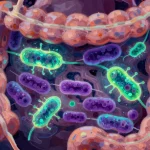
Your gut is home to trillions of microorganisms—bacteria, viruses, fungi, and other microbes—collectively known as the gut microbiome. Far from being passive inhabitants, these tiny entities form a complex and secret society, actively participating in digestion, nutrient absorption, and fighting off pathogens. Think of it as a highly sophisticated ecosystem, each species playing a crucial role in maintaining your overall health. When this delicate balance is disrupted, a cascade of health issues can emerge, affecting not just your digestive tract, but your entire body.
Beyond probiotics: precision prebiotics and postbiotics
While probiotics offer a general introduction of beneficial bacteria, new research is focusing on more targeted approaches. Enter precision prebiotics: specialized fibers and compounds that selectively nourish specific beneficial microbes already residing in your gut. This isn’t a one-size-fits-all approach; it’s about feeding your unique microbiome exactly what it needs to thrive. Imagine tailoring your dietary intake to specifically boost the populations of bacteria that produce anti-inflammatory compounds or enhance your mood.
Then there are postbiotics, the fascinating metabolic byproducts of probiotic activity. These include short-chain fatty acids (SCFAs), enzymes, and antimicrobial peptides that exert powerful health benefits directly. No live bacteria needed—just their beneficial secretions. Think of them as the “active ingredients” produced by healthy gut bacteria, offering a direct route to improving gut function and reducing inflammation without needing the bacteria themselves to survive the journey through your digestive system.
The gut-brain axis: A two-way superhighway
The connection between your gut and brain is no longer merely theoretical. The gut-brain axis is a literal two-way superhighway, with constant communication influencing everything from stress responses to cognitive function. Recent studies have highlighted the microbiome’s role in producing neurotransmitters like serotonin and dopamine, impacting mood and mental well-being. A groundbreaking review suggests that the gut microbiome plays a significant role in neurological disorders, including Parkinson’s disease, emphasizing the intricate connection through the gut-brain axis[1].
This evolving understanding is paving the way for novel treatments for anxiety, depression, and neurodegenerative diseases that target the gut rather than directly the brain. Instead of focusing solely on pharmaceuticals, imagine therapies that modulate your gut flora to alleviate mental health conditions, offering a less invasive and potentially more holistic approach. The implications for mental health are enormous, suggesting that a healthy gut might be the missing piece in a holistic approach to mental well-being.
Unmasking “leaky gut” and restoring gut integrity
The concept of “leaky gut,” or increased intestinal permeability, where toxins and microbes can pass from the gut into the bloodstream, has moved from being a fringe idea to a recognized area of scientific inquiry. Researchers are now understanding the mechanisms behind it and developing targeted interventions to restore the integrity of the gut lining. This involves identifying specific dietary triggers, such as certain food additives or processed foods, and leveraging nutrients that support gut barrier function, like L-glutamine and zinc.
Advanced diagnostic tools can now precisely measure markers of intestinal permeability, allowing for personalized treatment plans that go beyond general dietary advice. This shift from broad-stroke recommendations to highly specific interventions marks a significant leap forward in addressing chronic inflammatory conditions and autoimmune disorders that have long been linked to gut dysbiosis. The ability to accurately diagnose and treat leaky gut opens new doors for managing a range of systemic health issues.
Microbially targeted therapies and personalized nutrition
The future of gut health is undeniably personalized. Imagine a world where your unique microbiome is analyzed, and a bespoke therapeutic approach is crafted just for you—whether that’s a specific dietary regimen, a custom blend of prebiotics, or even fecal microbiota transplantation (FMT) for severe cases. This is no longer science fiction; it’s the forefront of microbiome research. For example, a recent randomized controlled trial demonstrated the significant effect of probiotics on clinical outcomes and inflammatory responses in gastric cancer surgery, highlighting their potential beyond general health[2].
Companies are already offering advanced stool testing coupled with AI-driven dietary recommendations, moving us closer to truly personalized nutrition tailored to optimize your individual gut ecosystem. This means moving away from generalized health advice and towards interventions that are scientifically validated for your unique biological makeup, promising more effective and sustainable health improvements. The era of personalized gut health is rapidly approaching.
Gut microbiome and aging: extending your healthspan
The microbiome’s influence extends even to the aging process itself. A healthy and diverse gut microbiome is increasingly linked to longevity and a slowed rate of age-related decline. Research into centenarians often reveals unique microbial signatures that appear to confer resilience against diseases of aging. This suggests that maintaining a youthful and robust gut ecosystem could be a key strategy for not just living longer, but living better. Related research explores how probiotics and prebiotics extend healthspan.
Innovations like “microbiome banking” are emerging, allowing individuals to preserve a snapshot of their healthy gut flora for future use, similar to cord blood banking. While still in nascent stages, this concept underscores the profound implications of the gut microbiome for extending human healthspan. By understanding and manipulating our gut microbes, we may hold a powerful key to unlocking healthier and more vibrant longevity.
The road ahead
The revolution in gut microbiome science is far from over. As technology advances, we can expect even more sophisticated diagnostics, targeted therapies, and a deeper understanding of how our inner ecosystem orchestrates our health. Moving beyond the probiotic aisle, we are stepping into an era of personalized, predictive, and preventative gut health. The journey to optimal well-being increasingly starts from within, specifically, within the complex and dynamic world of your gut.
References
- Ninham B et al. (2026). Gut, brain and the Glycocalyx: A portrait of Parkinsons disease. Advances in colloid and interface science. PMID: 41895098
- Pal D et al. (2026). Effect of Probiotics on the Clinical Outcome and Inflammatory Response in Gastric Cancer Surgery: A Double Blinded Randomized Control Trial. Journal of gastrointestinal cancer. PMID: 41996041