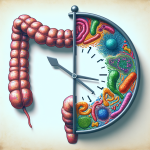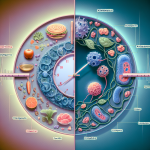

Imagine a world where your daily stresses, anxieties, and even profound feelings of joy aren’t just born in your brain, but also nurtured, or sabotaged, by the trillions of tiny residents in your digestive tract. Sounds like science fiction, right? Yet, this is the revolutionary truth unfolding in the world of health: an intricate, two-way highway between your gut and your brain, known as the gut-brain axis. For years, we’ve treated our gut as a mere digestive tube, secondary to the majestic organ above our shoulders. But new research is revealing that your microbiome—the vast ecosystem of bacteria, viruses, and fungi living in your gut—is a silent, powerful partner in shaping your mental landscape.
More than digestion: the gut is your second brain
The gut isn’t just about breaking down food; it’s a complex, intelligent system often referred to as the “second brain.” This isn’t just a catchy phrase; it refers to the enteric nervous system (ENS), a vast network of neurons embedded in the walls of your digestive tract. The ENS contains more neurons than the entire spinal cord, operating autonomously, yet in constant dialogue with your central nervous system (CNS)—your actual brain. This communication happens through a dizzying array of channels: nerves, hormones, and immune pathways. And guess who’s orchestrating much of this conversation? Your gut microbes.
These microscopic residents produce a symphony of neuroactive compounds. Think of neurotransmitters like serotonin, often dubbed the “happiness hormone.” While its primary role is in the brain, an astonishing 90% of your body’s serotonin is actually produced in the gut, much of it influenced by your microbiome. These aren’t just localized effects; these compounds can signal directly to the brain, influencing mood, stress response, and even cognitive function. My own experience, for instance, after incorporating diverse fermented foods, led to a subtle but noticeable uplift in general well-being—a feeling of greater resilience against daily stressors that had previously felt overwhelming. It’s a testament to the idea that feeding your gut kindly can feed your mind equally so.
The hidden link: how diet impacts your mental health
So, if your gut is so influential, what does your diet have to do with it? Everything. The foods you consume directly dictate the composition and health of your microbiome. A diet rich in processed foods, sugar, and unhealthy fats can lead to dysbiosis—an imbalance in gut bacteria that favors harmful strains. This imbalance can trigger inflammation, both locally in the gut and systemically throughout the body, including the brain. Chronic inflammation is increasingly implicated in various mental health conditions, from depression to anxiety.
Conversely, a diet abundant in whole, unprocessed foods, especially those high in fiber, acts as fertilizer for beneficial bacteria. Prebiotic fibers found in foods like garlic, onions, bananas, and oats aren’t digestible by us, but they are a feast for our good gut bugs. Synbiotic foods, which combine prebiotics and probiotics, are particularly potent. While generic advice often suggests a “balanced diet,” the true impact lies in the *diversity* of plant-based foods that nourish a wide array of microbial species, ensuring a robust and resilient gut ecosystem that can better support mental clarity and emotional stability.
Cultivating calm: practical tips for a happy gut and mind
Taking charge of your gut health doesn’t require a complete overhaul of your life, but rather thoughtful, consistent choices. Here are some actionable steps to foster a flourishing gut and, by either extension, a more balanced mood:
* Embrace fermented foods: Incorporate probiotic-rich foods like plain yogurt, kefir, sauerkraut, kimchi, and kombucha into your daily routine. Start small if you’re new to them, as your gut adjusts.
* Prioritize fiber diversity: Aim for a wide variety of plant foods across the week. Think colorful fruits, vegetables, legumes, and whole grains. Each type of fiber feeds different beneficial bacteria.
* Consider targeted supplementation (responsibly): While diet is primary, a high-quality probiotic supplement might be beneficial, especially if recovering from antibiotics or experiencing significant gut distress. Look for multi-strain probiotics with scientifically studied strains. A personal tip: cycle through different brands every few months to introduce new beneficial species.
* Manage stress effectively: The gut-brain axis is bidirectional. Chronic stress can negatively impact your gut, just as a healthy gut can buffer stress. Practice mindfulness, meditation, yoga, or spend time in nature—whatever helps you de-stress.
* Stay hydrated: Water is essential for maintaining gut motility and overall digestive health.
* Limit processed foods and sugar: These feed harmful bacteria and contribute to inflammation, undermining your gut and mental well-being.
The journey to better mental health might start in your head, but it undeniably winds its way through your gut. By nurturing your microbiome, you’re not just improving digestion; you’re building a stronger foundation for emotional resilience, mental clarity, and overall vitality. It’s a powerful and often overlooked aspect of holistic wellness, one that truly empowers you to feel better, from the inside out.