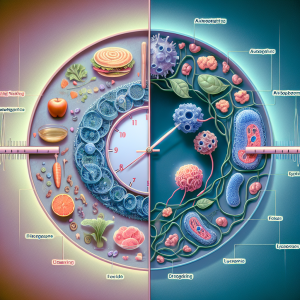

Have you ever wondered why some people seem to defy aging, radiating vitality well into their golden years, while others struggle with age-related health issues much sooner? It’s not just about good genes or strict diets. A revolutionary field of science called epigenetics is revealing that our lifestyle choices—what we eat, how we move, how we manage stress—don’t just impact our health; they directly influence how our genes are expressed. It’s like having a dimmer switch for your DNA, and you’re in control.
For decades, we believed our genetic destiny was sealed at birth, an unchangeable blueprint. But epigenetics tells a different story: your genes are just the raw material. Epigenetic “marks” sit atop your DNA, telling your cells which genes to turn on or off, how much protein to make, and when to repair themselves. These marks are dynamic, constantly responding to your environment. This is profound because it means that even if you’ve inherited certain genetic predispositions, you have immense power to influence how those genes behave.
Imagine two identical twins. One lives a life of clean eating, regular exercise, and minimal stress. The other consumes processed foods, is sedentary, and constantly under pressure. While their DNA sequences are identical, their epigenetic profiles will diverge dramatically. The twin with a healthier lifestyle will likely have epigenetic marks that promote longevity genes, optimize cellular repair pathways, and dampen inflammatory responses. This isn’t science fiction; it’s the cutting edge of cellular health.
The silent orchestrators: NAD+ and mitochondrial function
At the heart of cellular vitality are two crucial players: NAD+ (nicotinamide adenine dinucleotide) and mitochondria. NAD+ is a coenzyme found in every cell of your body, absolutely essential for hundreds of metabolic processes, including energy production and DNA repair. Think of it as the ultimate cellular workhorse. As we age, NAD+ levels naturally decline, contributing to a cascade of age-related issues, from flagging energy to impaired cellular repair. This decline in NAD+ is a major focus of cellular aging research, with many scientists believing it’s a key lever we can pull to extend healthspan.
Mitochondria, often called the “powerhouses of the cell,” are tiny organelles responsible for generating most of the chemical energy needed to power biochemical reactions. Healthy, efficient mitochondria are critical for everything from brain function to muscle performance. When mitochondria become dysfunctional, as they often do with age, it’s like your cellular power grid starts to flicker and fail. Our epigenetic choices can either support robust mitochondrial biogenesis and function or exacerbate their decline. For instance, regular exercise, particularly high-intensity interval training (HIIT), is a potent epigenetic trigger for mitochondrial growth and efficiency.
The interplay between NAD+ and mitochondria is fascinating. Many of the sirtuin genes, which are regulated by epigenetics and are known for their roles in longevity, are NAD+-dependent. These sirtuins help maintain mitochondrial health, repair DNA, and regulate inflammation. It’s a beautifully orchestrated system where epigenetics, NAD+, and mitochondria work in concert to determine your cellular fate. Boost one, and you often positively impact the others.
Practical epigenetics: actionable insights for cellular health
The good news? You don’t need a lab coat to start optimizing your epigenome. Many of the most powerful epigenetic activators are found in everyday habits.
1. Embrace nutrient density: What you eat sends powerful signals to your genes. Foods rich in methyl donors (like leafy greens, eggs, and beets) provide the raw materials for proper epigenetic methylation, a key mechanism for gene regulation. Polyphenol-rich foods (berries, dark chocolate, green tea) activate sirtuins and other longevity pathways. A diverse, plant-heavy diet isn’t just “healthy”; it’s epigenetically intelligent. Think less about restrictive diets and more about abundant, colorful, whole foods.
2. Move your body, change your genes: Exercise is arguably the most potent epigenetic modulator. It doesn’t just build muscle; it changes gene expression in profound ways, improving insulin sensitivity, reducing inflammation, and boosting mitochondrial health. Even short bursts of activity can trigger beneficial epigenetic changes. Find movement you genuinely enjoy, whether it’s dancing, hiking, or weightlifting, and make it a non-negotiable part of your day. Your genes are listening.
3. Master your stress response: Chronic stress is an epigenetic disruptor, leading to undesirable gene expression patterns that promote inflammation and accelerate aging. Practices like meditation, deep breathing, spending time in nature, or even just carving out moments for joy and relaxation, can calm your nervous system and promote a more resilient epigenetic profile. It’s not about eliminating stress entirely (which is impossible), but about changing your body’s response to it.
4. Quality sleep is non-negotiable: Sleep deprivation is a form of chronic stress for your body, negatively impacting gene expression related to repair, immunity, and metabolism. Prioritize 7-9 hours of quality sleep per night. Create a consistent bedtime routine, optimize your sleep environment, and watch how it transforms your cellular health. During sleep, your body is busy repairing DNA and resetting vital epigenetic processes.
5. Consider strategic supplementation (with caution): While foundational lifestyle choices are paramount, certain supplements are gaining traction for their epigenetic support. NAD+ precursors like NR (nicotinamide riboside) and NMN (nicotinamide mononucleotide) are being studied for their potential to boost NAD+ levels and support cellular repair. Resveratrol, a polyphenol found in red wine, is another epigenetic powerhouse known for activating sirtuins. Always consult with a healthcare professional before starting any new supplement regimen, as individual needs and interactions vary.
The future is now
The field of epigenetics is rapidly evolving, moving us beyond the simplistic view of genetic determinism. It offers a hopeful and empowering perspective: your daily choices are writing and rewriting your biological story. By understanding and proactively influencing your epigenome, you’re not just hoping for better health; you’re actively creating it. This isn’t about chasing immortality, but about unlocking maximum cellular vitality, optimizing your healthspan, and truly thriving for years to come. It’s time to take control of your cellular code.
The research is clear: every meal, every workout, every restful night of sleep sends signals that shape your epigenetic landscape. Small, consistent changes compound over time into remarkable cellular transformation.